
7 Winter Maintenance Best Practices to Ensure Your Railcar Mover Is Ready for Cold Weather
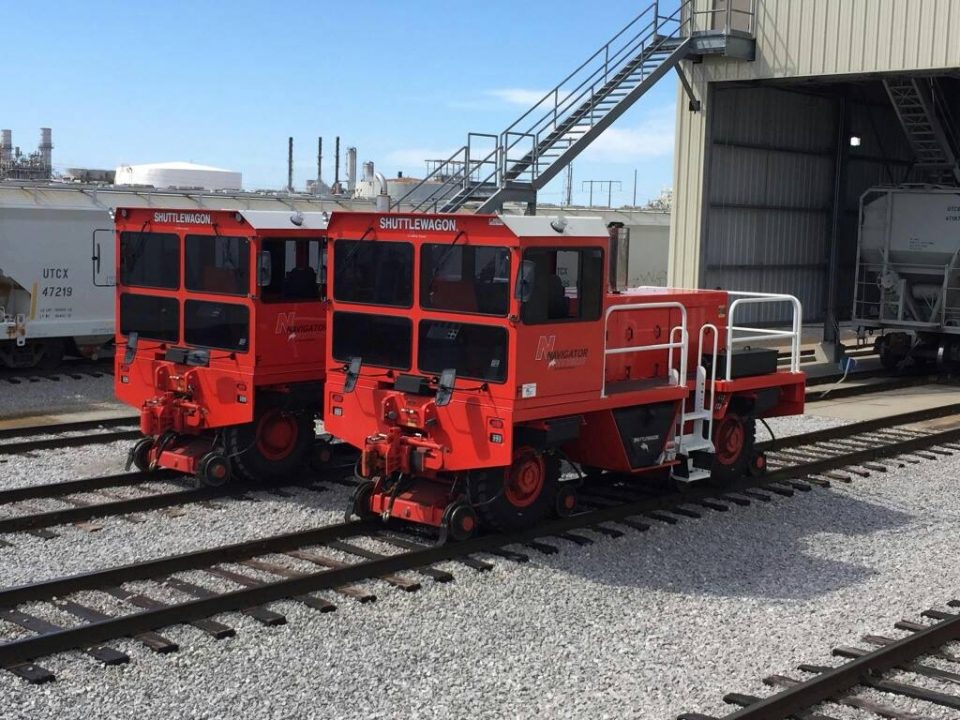
Winter weather can be as hard on your railcar movers as it is on your own mood. If you haven’t taken proper steps to prepare your equipment for the conditions, snow, ice, freezing temperatures, and contaminants can impact performance, accelerate wear, and lead to costly downtime. However, taking proactive steps before the coldest weather sets in can help ensure reliable operation throughout the winter. That means reducing the risk of unexpected maintenance issues and increasing the odds that your railcar mover will be ready when you need it most.
So how do you prepare your railcar mover for cold weather? Shuttlewagon recommends 7 key steps.
1. Electrical System Inspection
Batteries are one of your railcar mover’s most sensitive components when it comes to the cold. In simple terms, the chemistry that your battery utilizes to store power gets slowed down in colder temperatures. This means that while a weak battery might perform adequately during fall’s warmer days, it is likely to see its voltage and capacity drop in cold weather.
Along similar lines, when a battery’s voltage drops, its current may no longer be able to cross areas of low conductivity, such as corroded terminals and damaged or poorly secured connections.
Before temperatures drop:
- Test battery voltage and load capacity
- Look for corrosion on battery terminals and connectors
- Test voltage and current of charging systems
- Check wiring harnesses and electrical connections for:
- Corrosion
- Wear
- Damage
- Loose connections
If you have any doubts about your battery, a simple replacement can help you avoid a disruptive no-start condition.
2. Cooling System Performance Testing
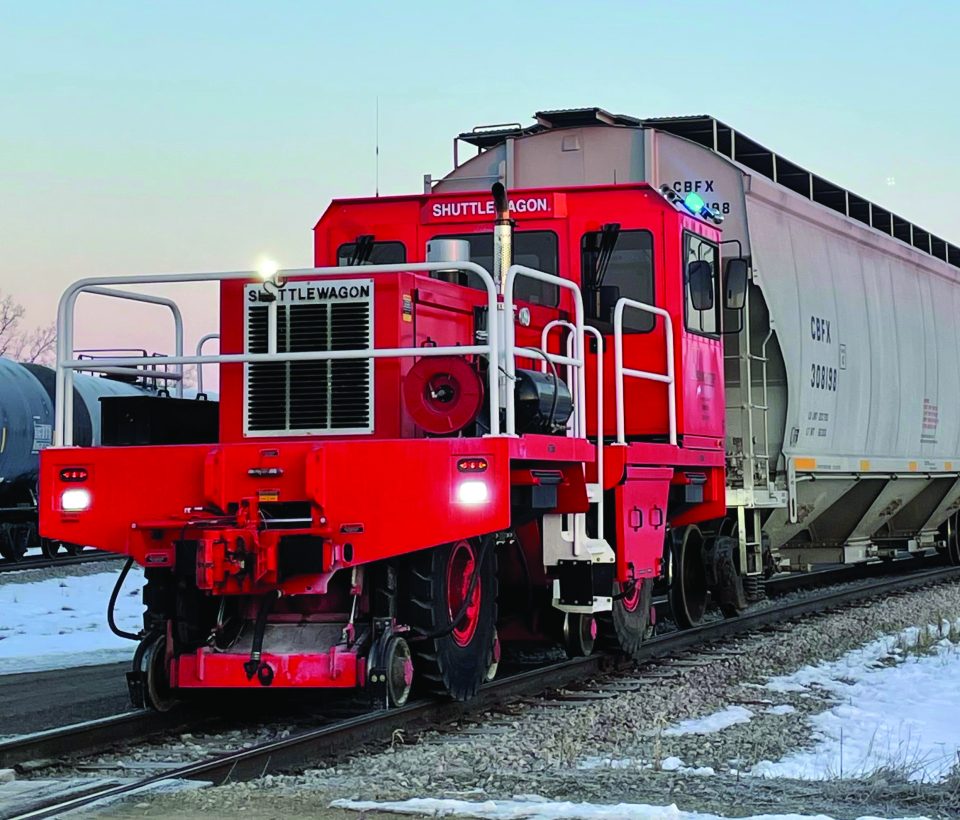
While the cooling system is vital in preventing overheating, it is also important in cold weather. Maintaining proper coolant levels and antifreeze concentrations help protect your engine in freezing temperatures. If your average winter sometimes reaches very cold temperatures, talk to your Shuttlewagon dealer about extreme cold weather fluids, which are rated down to -40° F (See step #7).
To make sure your cooling system is ready for cold weather:
- Test the concentration of freeze protectants
- Look for signs of leaking on and below the engine
- Inspect hoses for damage, wear, cracks, or deterioration
- Verify that clamps and connections are secure
- Examine the radiator for cracks and other damage
- Sample the radiator fluid to look for discoloration and debris
Follow up on any signs of coolant system problems to avoid damaging cooling system failures.
3. Rail, Wheel, and Traction Component Inspection
Moisture, snow, and ice can reduce traction. Worn tires that have adequate traction during dry conditions may fail when the ground and rails get slippery. At the same time, low temperatures can wreak havoc on your bearings, seals, and other components that protect your drive system.
To avoid costly accidents and breakdowns:
- Ensure wheels and tires are in good shape
- Inspect traction systems and driveline components
- Inspect seals
- Check lubricant levels
- Look for warning signs like:
- Excessive play in bearings
- Lubricant leaks
- Rough rotation
- Unusual heat in moving components
- Grinding
- Ensure proper function of rail guidance systems
Taking proper preventive steps and watching for wear can avoid problems.
4. Service Hydraulic Systems
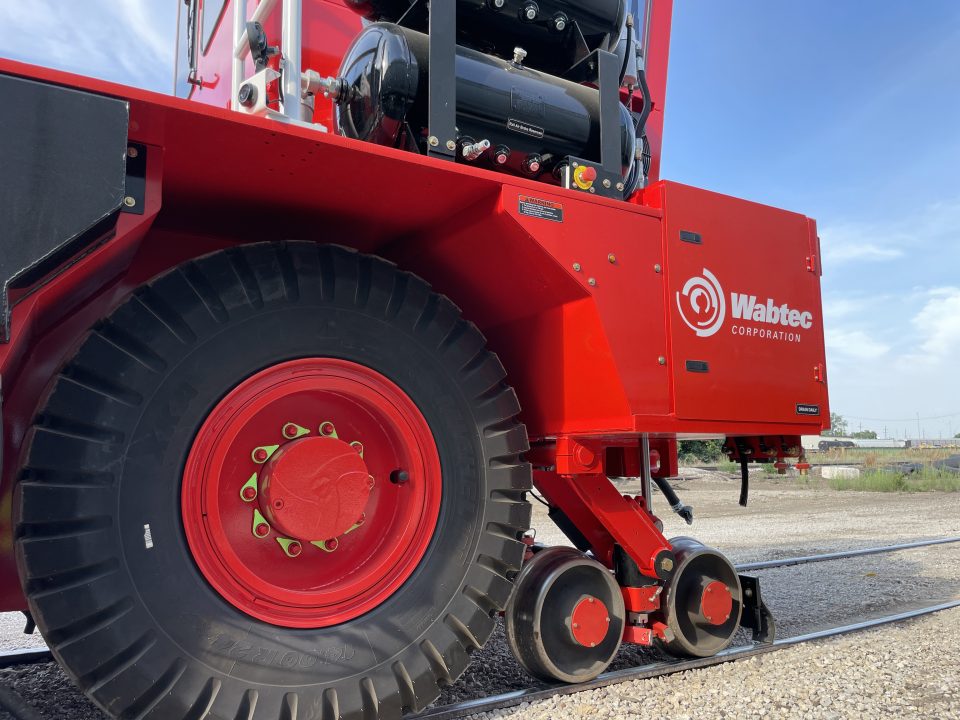
Cold impacts the performance of hydraulic systems like other systems that depend on fluids. Hydraulic fluids don’t perform the same under cold temperatures, especially if the fluid levels are low, the fluid is degraded or contaminated, or the system has leaks that affect pressure levels,
Protect hydraulic system performance by:
- Checking hydraulic fluid levels
- Inspecting hoses and fittings for leaks
- Testing the condition of hydraulic fluid and replacing contaminated or degraded fluid
- Verifying seal good condition
When the temperature drops, small degradations in performance caused by leaks, low fluid levels, and degraded fluid can keep a hydraulic system from functioning.
5. Protect Against Corrosion
One chemical process that actually accelerates in winter is corrosion. That’s because salt, de-icing chemicals, and winter moisture combine to attack exposed metal components.
To slow corrosion on your equipment:
- Thoroughly clean equipment before winter
- Inspect protective coatings and paint
- Apply new coatings and paint as necessary
- Wash away salt and contaminants regularly
- Inspect equipment for signs of new corrosion
- Touch up damaged areas before corrosion spreads
Preventive measures and consistent cleaning can prevent corrosion or stop it before it causes major damage. The benefits of these procedures extend beyond this winter, reducing long-term maintenance costs and extending the life of expensive equipment.
6. Stock Additional Spare Parts
Despite your best efforts, harsh winter conditions are still likely to create the need for additional repairs and equipment replacements. At the same time, other operators are experiencing the same stresses, which can lead to shortages of essential parts. To keep your emergency repairs from turning into extended downtime, keep critical parts on hand.
Check your maintenance logs to determine which parts are most often needed at your yard, but commonly needed components include:
- Batteries
- Sensors and electrical components
- Hydraulic fittings
- Filters
- Belts
- Hoses
Having these parts on hand can make it easier to get your equipment back up and running when problems arise.
7. Talk to Your Dealer About Cold Weather Options
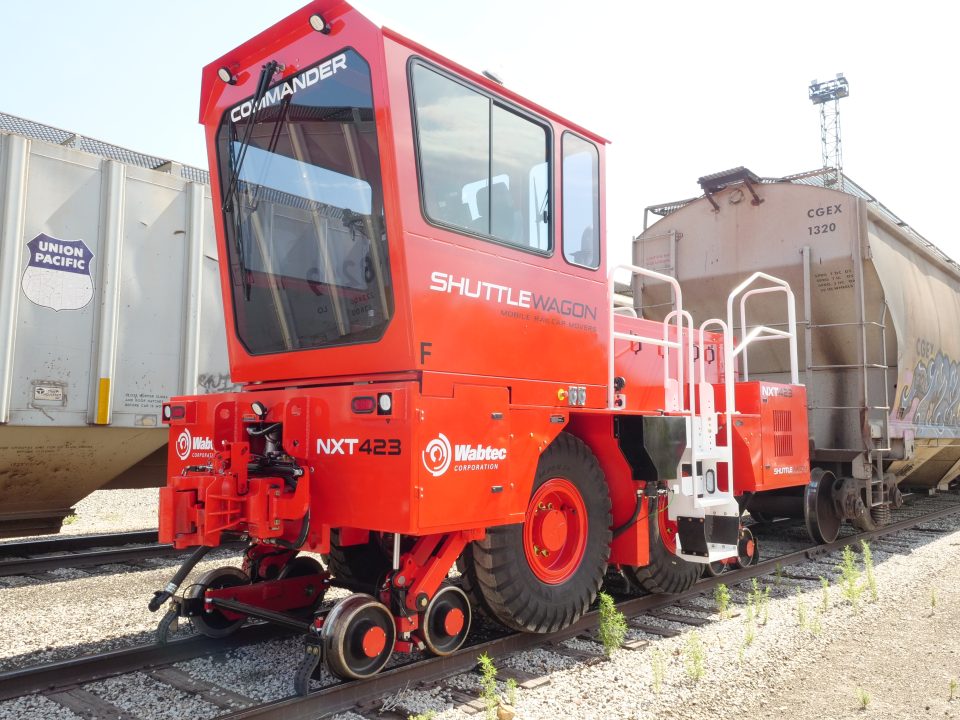
Shuttlewagon offers numerous options to improve the performance, resilience, and effectiveness of your railcar mover during winter conditions.
To upgrade your railcar mover to handle the harshest winter conditions, ask about:
- Power supply points for tank heaters on fuel tank, hydraulic reservoir, transmission, and engine oil pan
- Heated mirrors
- Fluids rated to -40° F
- Insulation blankets
- Radiator cold air shielding
- Battery heater and tender
- Snow plow
- Snow/debris broom
- Diesel fired cab heater
Talk to your dealer for a full list of options or click here.
Good Preparation Leads to Great Performance
Shuttlewagon’s railcar movers are the most powerful and reliable in the industry. Their high-efficiency performance can allow you to upgrade your operations.
All it takes to extend their powerful, low-cost operation through the winter months is just a small amount of preparation before the temperatures drop.
If you need help preparing your Shuttlewagon or other heavy equipment for cold weather, McClung-Logan’s service department is ready to help. We’ve been the leading provider of heavy equipment in the mid-Atlantic region since 1939, and we have all the winterizing supplies your heavy equipment will need. Please contact one of our 10 full-service locations in Maryland, Delaware, and Virginia to get the vital winterizing supplies you need.
Winterizing Your Railcar Mover FAQs:
How do you prepare a railcar mover for cold weather?
Shuttlewagon recommends seven steps to prepare a railcar mover for winter: inspect the electrical system; test the cooling system; check the rail, wheel, and traction components; service the hydraulic system; protect against corrosion; stock extra spare parts, and ask your dealer about cold weather options. Completing these steps before the coldest weather arrives reduces the risk of breakdowns and costly downtime.
How does winter weather affect a railcar mover?
Snow, ice, freezing temperatures, and contaminants can reduce a railcar mover’s performance, speed up wear, and cause costly downtime. Cold weather weakens batteries, thickens fluids, reduces traction, and stresses bearings and seals. Salt and de-icing chemicals also speed up corrosion on exposed metal.
Why do railcar mover batteries fail in cold weather?
Railcar mover batteries fail in cold weather because the chemical reaction that stores power slows down at low temperatures. A weak battery that works on mild fall days can lose voltage and capacity once it gets cold. Lower voltage also struggles to pass through corroded terminals and loose or damaged connections, which can cause a no-start condition.
What should you check in a railcar mover’s electrical system before winter?
Before winter, test battery voltage and load capacity and check battery terminals and connectors for corrosion. Test the voltage and current of the charging system. Inspect wiring harnesses and electrical connections for corrosion, wear, damage, and loose connections. If a battery seems doubtful, replacing it can prevent a no-start condition.
How do you winterize a railcar mover’s cooling system?
To winterize a railcar mover’s cooling system, test the antifreeze concentration and look for leaks on and below the engine. Inspect hoses for wear, cracks, and deterioration, and make sure clamps and connections are secure. Check the radiator for cracks or damage, and sample the coolant for discoloration and debris. Proper coolant levels and antifreeze concentration protect the engine in freezing temperatures.
What cooling fluids work in extreme cold?
For areas that reach very cold winter temperatures, Shuttlewagon dealers offer extreme cold weather fluids rated down to -40°F. Operators can ask their Shuttlewagon dealer about these fluids as a cold weather upgrade.
How does cold weather affect railcar mover traction?
Moisture, snow, and ice make rails and ground slippery, which reduces traction. Worn tires that grip well in dry conditions may fail on slippery surfaces. Low temperatures can also damage bearings, seals, and other parts that protect the drive system.
What traction and drive components should be inspected before winter?
Before winter, check that wheels and tires are in good condition, and inspect traction systems, driveline components, and seals. Check lubricant levels and confirm that rail guidance systems work properly. Warning signs include excessive bearing play, lubricant leaks, rough rotation, grinding, and unusual heat in moving parts.
How does cold weather affect hydraulic systems?
Hydraulic fluid performs worse in cold temperatures. In cold weather, small problems such as low fluid levels, degraded or contaminated fluid, or leaks that reduce pressure can be enough to stop a hydraulic system from working.
How do you prepare a railcar mover’s hydraulic system for winter?
Check hydraulic fluid levels and inspect hoses and fittings for leaks. Test the condition of the hydraulic fluid and replace it if it is contaminated or degraded. Verify that seals are in good condition.
Why does corrosion get worse in winter?
Corrosion speeds up in winter because salt, de-icing chemicals, and moisture combine to attack exposed metal components. Corrosion becomes a bigger risk during winter months, because of the increased prevalence of corrosive conditions, even if corrosion reactions also slow down at lower temperatures.
How can you protect a railcar mover from winter corrosion?
Clean the equipment thoroughly before winter, inspect protective coatings and paint, and reapply them where needed. During winter, wash away salt and contaminants regularly, check for new corrosion, and touch up damaged areas before corrosion spreads. These steps also lower long-term maintenance costs and extend equipment life.
What spare parts should you stock for a railcar mover in winter?
Commonly needed winter spare parts for railcar movers include batteries, sensors and electrical components, hydraulic fittings, filters, belts, and hoses. Check your maintenance logs to see which parts your yard uses most. Keeping parts on hand matters because winter stress on other operators’ equipment can cause parts shortages and longer downtime.
What cold weather options does Shuttlewagon offer for railcar movers?
Shuttlewagon offers several cold weather options for its railcar movers:
- Power supply points for tank heaters on the fuel tank, hydraulic reservoir, transmission, and engine oil pan
- Heated mirrors
- Fluids rated to -40°F
- Insulation blankets
- Radiator cold air shielding
- A battery heater and tender
- A snow plow and a snow/debris broom
- A diesel-fired cab heater
Operators can ask a Shuttlewagon dealer for the full list.
Where can I get help winterizing a Shuttlewagon railcar mover in the Mid-Atlantic Region?
McClung-Logan’s service department helps prepare Shuttlewagon railcar movers and other heavy equipment for cold weather. McClung-Logan has provided heavy equipment in the mid-Atlantic region since 1939 and stocks winterizing supplies. It has 10 full-service locations in Maryland, Delaware, and Virginia.