
Should You Buy New, Buy Used, Lease, or Rent Construction Equipment?
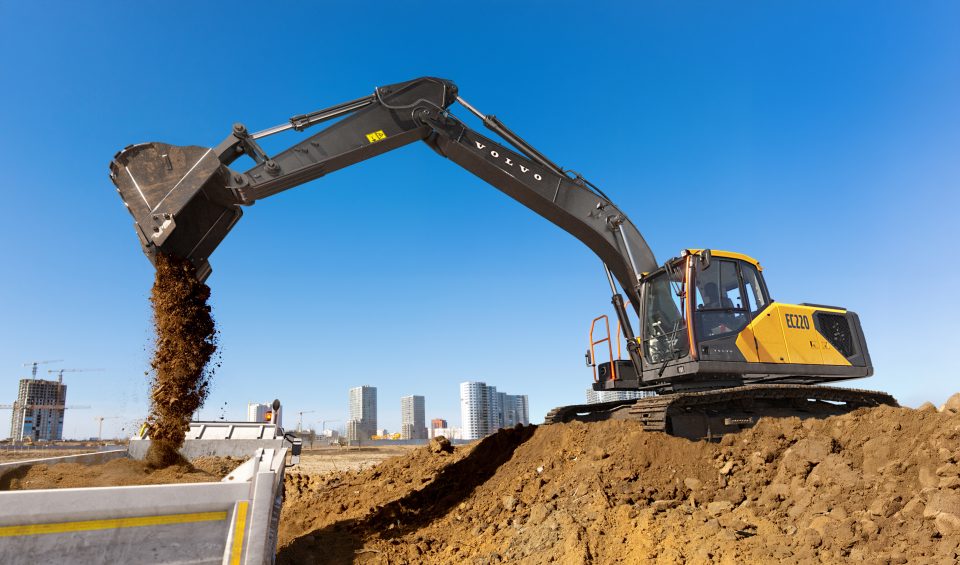
When your fleet needs additional equipment, you have to decide whether it makes more sense to buy, lease, or rent this equipment. The decision can be complicated, and it will vary for different types of equipment.
This simple guide will outline how to make the decision. Once you’ve got the basic strategy down, you can crunch the numbers yourself, sit down with your accountant, or talk to an expert at McClung-Logan, where we’ve been helping people make these decisions for decades.
When to Buy
In general, there are three things you need in order to justify the decision to buy a piece of construction equipment:
- You expect to use the equipment regularly
- Your project pipeline is predictable
- Your finances allow for a purchase
You only want to buy a machine that you’re likely to be using most workdays. Some industry benchmarks recommend only buying a machine that you’re going to use on 80% of workdays or more, but what makes sense for your business depends on the specific finances.
You can only predict long-term usage for any equipment if you have a predictable pipeline of projects. If you have regular, dependable work that requires this equipment for the foreseeable future, then that’s a strong indicator that this is the right machine for you to buy.
Finally, you can’t buy a machine if your finances don’t allow it. Of course, it’s typical to finance a big purchase like this, but before you decide to make the purchase, take a hard look at your finances. How reliable is that work? How does the cost compare to leasing? If a new piece of equipment is out of your reach, sometimes buying used can make the numbers work.
Should You Buy New or Used?
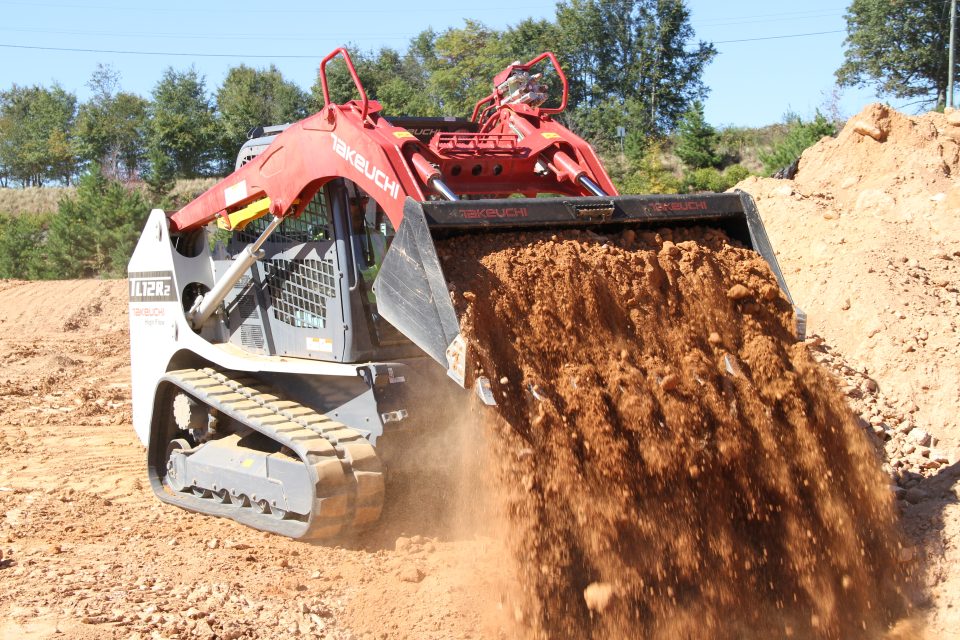
If buying equipment makes sense, how do you decide whether to buy new or used construction equipment? This typically comes down to a financial decision, so start there.
First, if a new machine costs too much up-front a used machine might be the best choice, even if the likely total cost of ownership is higher.
Second, take time to evaluate the total cost of ownership of a new machine versus a used one. For new machines, you will pay a premium up-front, but you will recoup some of that cost through potential resale and being able to write off depreciation on your taxes. Used machines will also likely have a higher cost for maintenance and fuel.
Finally, your ability to buy used construction equipment will depend in part on whether there are appropriate used machines available. For some in-demand machines, quality used equipment can be hard to find, and when it’s hard to find, the costs can go up, eliminating a key advantage of buying used.
When to Rent
The decision to rent is typically straightforward. You want to rent a machine when you are looking for specialized equipment that you are only going to use occasionally. How occasionally? That depends on the finances.
Renting equipment is typically costly on an hourly basis. You will typically pay the cost of a machine several times over if you were to rent the machine continuously for a year. But since you are only renting equipment for short-term use, it will save you overall. In addition, you won’t have maintenance cost for rental machines—the rental company handles that. (Just make sure to evaluate the condition of a rental machine before taking it out of the shop.)
Don’t forget to evaluate the insurance for rental machines and think about the conditions at the jobsite. If you think the odds are good that a machine could experience significant damage at a jobsite, the insurance could keep you from accidentally buying that equipment after all.
When to Lease
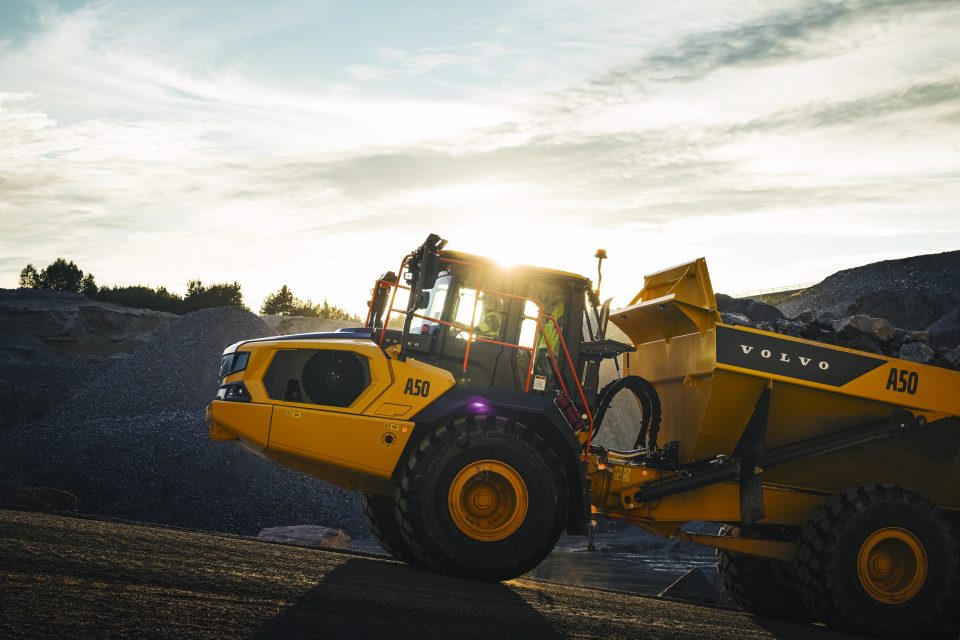
Deciding between leasing and buying can be more difficult than deciding between buying and renting. A lease is a long-term commitment, and over the length of the lease it can be almost as expensive as financing a purchase. Plus, you’re still responsible for maintenance and many repairs on the leased machine. If you return the machine in a worse condition than specified in the lease, you can be charged heavy fees.
There are typically three situations where leasing makes the most sense:
- You expect use to be heavy and long-term, but temporary
- Your project pipeline is unpredictable
- You can’t afford to buy
Leasing makes sense if you know that you’re going to need a piece of equipment a lot for a specific job, but that job is only going to last for a few years at most. However, evaluate the terms of the lease to make sure they match your expected usage. Lease terms typically include a maximum number of hours used, and if you expect to use the machine more than the lease allows, buying might still be your best option—excess hours are charged at a premium.
If you expect to pick up additional work of the same type in the future, then it still makes sense to buy. However, if you’re unsure whether you will have more work of this type, leasing makes sense.
Finally, leasing might be your only good option if your finances don’t allow you to buy a machine. This comes with an important caveat: make sure you can actually afford the lease. You don’t want to lock yourself into a financial burden that could jeopardize the financial health of your company.
Let the Experts at McClung-Logan Walk You Through the Decision
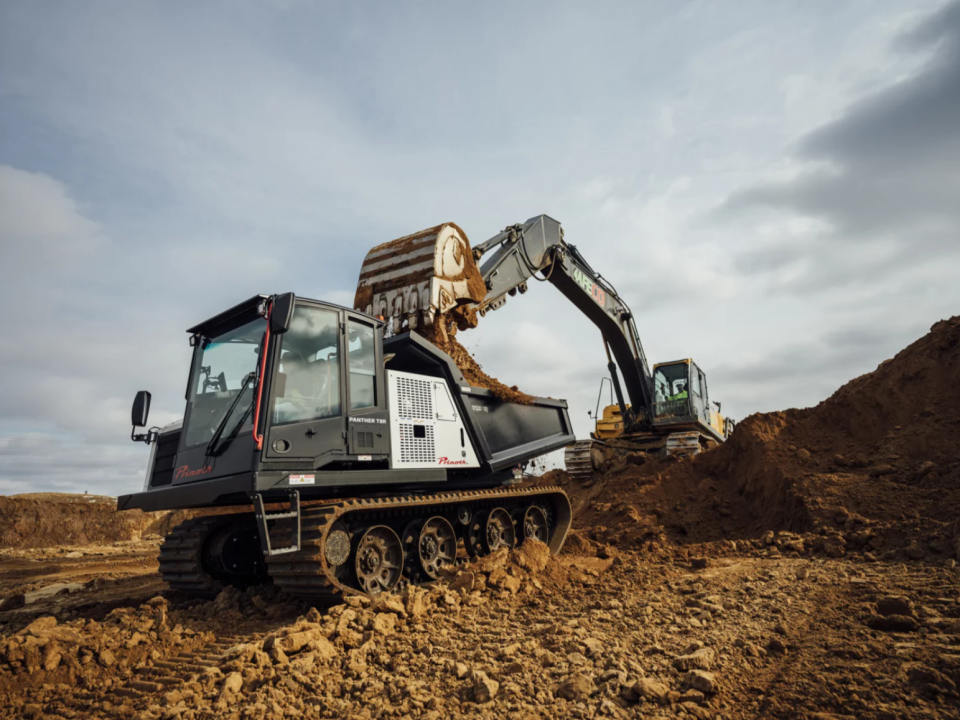
Deciding whether to buy, rent, or lease construction equipment is complicated. Fortunately, you don’t have to make it alone. At McClung-Logan, we’ve been helping people make this decision in the Mid-Atlantic region since 1939.
We always put your interests first. That’s how we’ve been able to stay in business for almost 90 years: building long-term relationships with successful construction, aggregate, and agricultural partners. We want you to succeed, because we know that contributes to our success, too.
Since we offer all options—we sell new and used construction equipment, lease construction equipment, and rent it, too—our primary recommendation will be focused on what is best for you.
We offer a wide range of the most reliable brands in construction equipment, including:
- Volvo
- Takeuchi
- Mecalac
- Avant
- K-Tec
- Prinoth
- Gradall
- Shuttlewagon
- Dura-A-Lift
Along with offering parts and service for these machines.
Contact us today to schedule an appointment at one of our branch locations. McClung-Logan is a full-service heavy equipment dealer supplying the mid-Atlantic region.
Buying, Leasing, or Renting Construction Equipment: Frequently Asked Questions
Should you buy, lease, or rent construction equipment?
Whether to buy, lease, or rent construction equipment depends on how often you’ll use the machine, how predictable your project pipeline is, and what your finances allow. Buying generally fits equipment you’ll use most workdays for the foreseeable future. Leasing fits heavy but temporary use or if you don’t know whether you might need a machine in the future. Renting fits specialized equipment needed only occasionally. The right choice can differ for each type of machine in a fleet.
When does it make sense to buy construction equipment?
Buying construction equipment makes sense when three conditions are met: you expect to use the machine regularly, your project pipeline is predictable, and your finances can support the purchase. Some industry benchmarks recommend buying only if you’ll use a machine on 80% or more of workdays, though the right threshold depends on your business’s finances. Steady, dependable work that requires the equipment long term is a strong sign that buying is the right move.
Should you buy new or used construction equipment?
The choice between new and used construction equipment usually comes down to up-front cost, total cost of ownership, and availability. New machines cost more up front, but some of that premium comes back through resale value and depreciation write-offs on taxes. Used machines cost less initially but typically have higher maintenance and fuel costs. If a new machine is out of reach financially, buying used can make the numbers work, even if the total cost of ownership ends up higher.
Is used construction equipment always cheaper?
Used construction equipment is not always cheaper, especially for in-demand machines. When quality used equipment is hard to find, prices rise, which can eliminate the main advantage of buying used. Higher long-term maintenance and fuel costs can also make a used machine more expensive over its lifetime than a new one.
When should you rent construction equipment?
You should rent construction equipment when you need a specialized machine only occasionally. Renting is expensive per hour, and a relatively small number of use hours can add up to the cost of buying a machine. For short-term use, however, renting saves money overall, and the rental company handles maintenance. Inspect the machine’s condition before taking it from the shop to make sure it is well-maintained.
Do you need insurance when renting construction equipment?
Yes, evaluating insurance is an important part of renting construction equipment. Jobsite conditions can put rental machines at risk of significant damage, and without adequate coverage you could end up paying for the equipment. If damage is likely at your jobsite, rental insurance can protect you from that cost.
When does leasing construction equipment make sense?
Leasing construction equipment makes the most sense in three situations: you expect heavy, long-term use that is still temporary (such as a si
ngle job lasting no more than a few years), your project pipeline is unpredictable, or you can’t afford to buy. If you expect more work of the same type after the job ends, buying is usually better. If future work is uncertain, leasing reduces the risk.
What are the downsides of leasing construction equipment?
The main downsides of leasing construction equipment are cost, responsibility, and restrictions. Over the full term, a lease can cost almost as much as financing a purchase. Lessees are usually responsible for maintenance and many repairs, and returning the machine in worse condition than the lease specifies can bring heavy fees. Leases also typically cap usage hours, and excess hours are charged at a premium.
What should you check in a construction equipment lease?
Before signing a construction equipment lease, confirm that the maximum usage hours match your expected use, understand the return-condition requirements, and make s
ure you can reliably afford the payments. If you expect to exceed the hour limit, buying may be the better option. A lease you can’t afford can put your company’s financial health at risk.
Where can Mid-Atlantic contractors buy, lease, or rent construction equipment?
McClung-Logan is a full-service heavy equipment dealer that has served the Mid-Atlantic region since 1939, offering new and used equipment sales, leasing, and rentals, plus parts and service. Because it offers every option, McClung-Logan can recommend the approach that best fits each customer’s needs. Brands include Volvo, Takeuchi, Mecalac, Avant, K-Tec, Prinoth, Gradall, Shuttlewagon, and Dura-A-Lift. Construction, aggregate, and agricultural businesses can schedule an appointment at a branch location.