
Understanding Heavy Equipment Flexible Rental Terms and Rent-to-Purchase Options
Key Takeaways:
Before choosing a heavy equipment rental structure, define your needs in terms of project duration, utilization rate and whether your equipment need is project-specific or recurring. Short-term rentals, structured on a daily, weekly or monthly basis, are best suited for project-specific needs but carry a higher per-hour cost than longer-term arrangements. Long-term rental agreements cover periods ranging from several months to multiple years, typically come with lower monthly costs and can include maintenance provisions that shift repair risk to the rental provider. Rent-to-purchase arrangements, including classic rent-to-own and rental purchase option programs, allow you to apply a portion of rental payments toward eventual ownership. Lease-based ownership paths, including $1 purchase option leases, fixed purchase option leases and fair market value leases, offer pre-set end-of-term buyout structures with varying monthly payment levels and end-of-term flexibility. Rental payments on construction equipment are generally treated as operating expenses and may be deductible in the year they are incurred, though tax treatment varies by agreement structure and should be reviewed with an accountant.
Heavy equipment is expensive, and purchasing your machinery outright isn’t always the most practical or financially sound decision. Project timelines, budget cycles and fluctuating workloads can all make it difficult to justify the upfront cost of new or used construction equipment. Flexible rental terms and rent-to-purchase options give you a way to access the equipment you need while managing cash flow and reducing financial risk. Understanding how these arrangements work can help you make better decisions for your business.
Assess Your Equipment Needs Before You Choose a Rental Structure
Before you evaluate specific rental arrangements, it’s worth taking the same approach you would with any equipment acquisition – start by clearly defining what you need the equipment to do. The right rental structure depends heavily on how long you need the machine, how frequently it will be used and whether the need is tied to a specific project or a recurring need across multiple projects.
Ask yourself:
- Is this a short-term need tied to a single project, or do you anticipate needing this type of equipment regularly?
- What is your expected utilization rate? A machine that will run near full capacity week over week may make more financial sense to rent since this high utilization will cause the equipment to experience greater wear, and renting shifts maintenance and repair risk to the heavy equipment rental dealer.
- Do you need flexibility to swap equipment types as project demands change, or do you need one specific machine for an extended period?
Answering these questions upfront will help you determine whether a short-term rental, a long-term rental agreement or a rent-to-purchase arrangement is the right fit.
Flexible Rental Term Options
Most heavy equipment dealers offer a variety of flexible rental terms with customizable usage and services. This allows you to choose the right construction equipment rental option for the specific needs of your business.
Short-Term Rentals
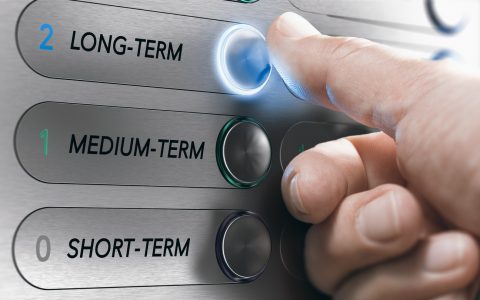 Short-term rentals are typically structured on a daily or weekly basis and are well suited for project-specific needs where you require a machine for a defined period of time. Many dealers will also offer standard monthly rental options if you need the equipment for a project with a slightly longer duration. These are typically one- to three-month contracts, often automatically renewable month to month, with usage caps for hours and miles.
Short-term rentals give you access to equipment without a long-term financial commitment, which can be valuable when workloads are unpredictable or when you need a type of equipment you don’t regularly use. They also give you flexibility to match the right machine to each job rather than working around the limitations of equipment you own. If your project requirements change, you can return the equipment and rent something more appropriate without taking a financial loss.
The primary tradeoff associated with short-term rentals is cost. On a per-hour or per-day basis, short-term rentals are typically more expensive than longer-term arrangements. If you find yourself repeatedly renting the same type of equipment, it’s worth evaluating whether purchasing, a longer-term rental structure or a rent-to-own arrangement would be more cost-effective.
Long-Term Rental Agreements
Long-term rental agreements cover extended periods ranging from several months to multiple years. These arrangements typically come with lower monthly costs compared to short-term rentals and can include provisions for maintenance, which reduces your exposure to unexpected repair costs.
If you need consistent access to a specific type of equipment but want to avoid the upfront financial costs associated with purchasing, a long-term rental can be a practical middle ground. It also gives you the ability to upgrade to newer equipment at the end of the agreement, which can be an advantage if keeping up with technology or emissions standards is a priority for your business.
Before committing to a long-term rental, review the agreement carefully. Pay attention to:
- Total cost over the life of the agreement compared to purchasing
- What maintenance and repair responsibilities fall on you versus the heavy equipment rental provider
- Hour or usage limits and any overage fees
- Early termination provisions and associated costs
Rent-to-Purchase Options
Rent-to-purchase arrangements, sometimes called rent-to-own, allow you to apply a portion of your rental payments toward the eventual purchase of the equipment. These agreements can be a good fit if you want to evaluate a specific machine before committing to buying it, or if you need time to arrange financing while keeping your operation running.
Many heavy equipment dealers will offer a variety of rent-to-purchase options. Some of the most common include:
- Classic Rent-to-Own – You rent a specific machine for an agreed period of time and have the right to purchase it later, applying a defined portion of your rental payments toward the purchase price.
- Rental Purchase Option – These are formal programs where a defined percentage of qualifying rental payments convert to equity in the machine if you exercise the purchase option within a defined time period.
- Short-Term Demo Before Rental Purchase Option – Some dealers will let you do a short demo rental, typically for a week, and then roll your agreement into a rental purchase option if you decide to keep the machine. All subsequent qualifying rental payments may apply toward the purchase once you convert the demo into a rental purchase option.
Make sure you clarify the following items before entering a rent-to-purchase agreement:
- What percentage of your rental payments will be credited toward the purchase price?
- Is the purchase price fixed at the start of the agreement, or can it change?
- What condition is the equipment expected to be in at the time of purchase, and who is responsible for wear and repairs during the rental period?
- Are there financing options available when you’re ready to complete the purchase?
Understanding the full terms of the agreement upfront will help you accurately evaluate whether the arrangement makes financial sense for your business.
Lease-Based Paths to Heavy Equipment Ownership
While standard rent-to-own and rental purchase option agreements are usually structured as a rental that can become a purchase, many dealers will also offer leasing agreements with pre-set end-of-term buyout options. Some of the most common lease buyout options include:
- $1 Purchase Option Lease – You make fixed monthly payments for the entire lease term, then by the equipment for $1 at the end of the lease. This option functions like a loan financing agreement and is an excellent choice when you know you’ll want to own the equipment at the end of the lease.
- Fixed Purchase Option Lease – The end-of-lease buyout is a fixed amount determined at the start of the lease. This option allows you to buy the equipment for the defined price, trade in the equipment for a different model on a new lease or return the machine at the end of the lease. This option is popular because it provides a predictable cost of ownership.
- Fair Market Value Lease – The end-of-term buyout is based on the machine’s fair market value at the end of the lease. This option often comes with lower monthly payments than $1 purchase or fixed purchase agreements. It’s a good choice if you’re unsure whether you’ll want to return the equipment at the end of the lease instead of owning it long term.
There are several benefits to choosing one of these flexible lease-to-own agreements:
- Allows for predictable budgeting and maintains better cash flow for your business
- Gives you the ability to upgrade your heavy equipment easily at the end of the lease term
- Provides immediate tax benefits
Tax and Cash Flow Considerations
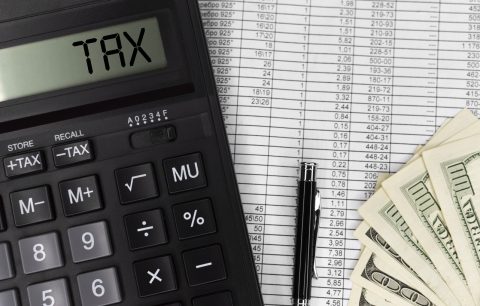 Rental payments on construction equipment are generally treated as operating expenses, which means they may be deductible in the year they are incurred rather than depreciated over time like an equipment purchase. This can have meaningful implications for your tax liability and cash flow planning. That said, tax treatment can vary depending on how an agreement is structured, so it’s worth discussing the specifics with your accountant before deciding on the specific rental option that’s right for you.
From a cash flow standpoint, rental arrangements allow you to preserve working capital for other business needs, avoid large down payments and maintain more predictable monthly expenses. If you’re managing multiple projects with varying equipment demands, this flexibility can be very important.
McClung-Logan Can Help You Find the Right Rental Option for Your Needs
Whether you’re exploring short-term rentals, long-term agreements or rent-to-purchase options, the terms and quality of the arrangement depend heavily on who you’re working with. At McClung-Logan, we can make sure you end up with the right heavy equipment rental terms for the specific needs of your business. We’ve been the leading construction equipment dealer in the Mid-Atlantic region since 1939, and our team has built our reputation by providing quality equipment and dealing fairly with our customers.
When you work with our team, you’ll benefit from a heavy equipment rental partner who is transparent about costs, clear about what’s included in the agreement and willing to work with you to find a structure that fits your business needs. We have an extensive line of rental equipment that includes the latest models of high-performance machines for many of the leading brands in the industry, including:
- Volvo
- Takeuchi
- Mecalac
- Avant
- Shuttlewagon
- Gradall
- Prinoth
- K-Tec
We offer a wide range of flexible rental terms and rent-to-purchase options to ensure you’ll find a solution that is ideally suited for the needs of your business. We’ll work closely with you to understand your goals and recommend the best option for your specific applications, budget and long-term financial goals.
Contact one of our branch locations to discuss your heavy equipment rental options with one of our Territory Managers. McClung-Logan is a full-service construction equipment dealer serving the Mid-Atlantic region.