
Daily Heavy Equipment Inspection Checklist
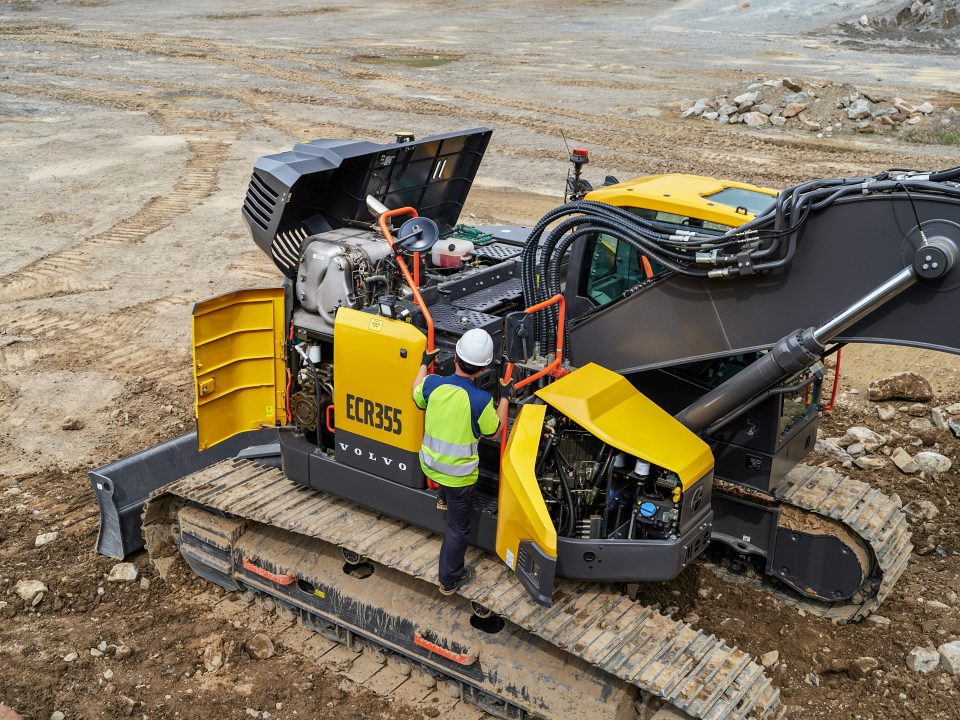
Daily equipment inspections help ensure that your heavy equipment is working properly. They can head off major malfunctions that lead to on-site failures, serious accidents, and extended downtime. They can also identify maintenance issues that need to be addressed to extend the lifetime of the equipment.
Any system you don’t inspect is liable to experience wear and ultimately failures. Although a full daily inspection takes time, it will ultimately save you time by heading off breakdowns and downtime. We’ll provide a general inspection checklist and follow-up with specific checklists for different types of heavy equipment.
General Heavy Equipment Inspection Checklist:
External Checklist:
- Roll-over protection system (ROPS): Manufacturer-approved system secured to frame
- Deflectors, safety screens, and glass: secure and in good shape
- Mirrors operable and in good condition
- Ladders, steps, and grab rails in good condition
- Note body dents and damage
- Note cleanliness of vehicle
- Belly plate and radiator guards securely mounted, free of debris, and in good condition
Cab Checklist:
- Approved safety belts installed and functional
- Seat in good condition
- Gauges and cab lights mounted and functioning
- Steering: tight and free of play
- Brakes: functional and properly adjusted
- Parking and service brakes: operable
- Emergency shutdown operable
- Clutches operable
- Heater and AC system operable
- Horns and warning alarms including backup warning operable
- Fire extinguisher present
Engine and Drive Checklist:
- Battery: Tight terminals, no corrosion, secured with hold-down
- Check oil level cold, look for burning and debris
- Check oil pressure with engine running, listen for knocks and look for leaks
- Fuel system free of leaks and damage
- Fan belts: good tension and no cracking
- Engine support, securement, and springs secure and in good condition
- Final drive, transmission, and differential good seals and not dropping
- Transmission free of leaks
- Transmission fluid full
- Cooling system full and free of leaks
- Exhaust system operable
Tracked Vehicle Checklist: 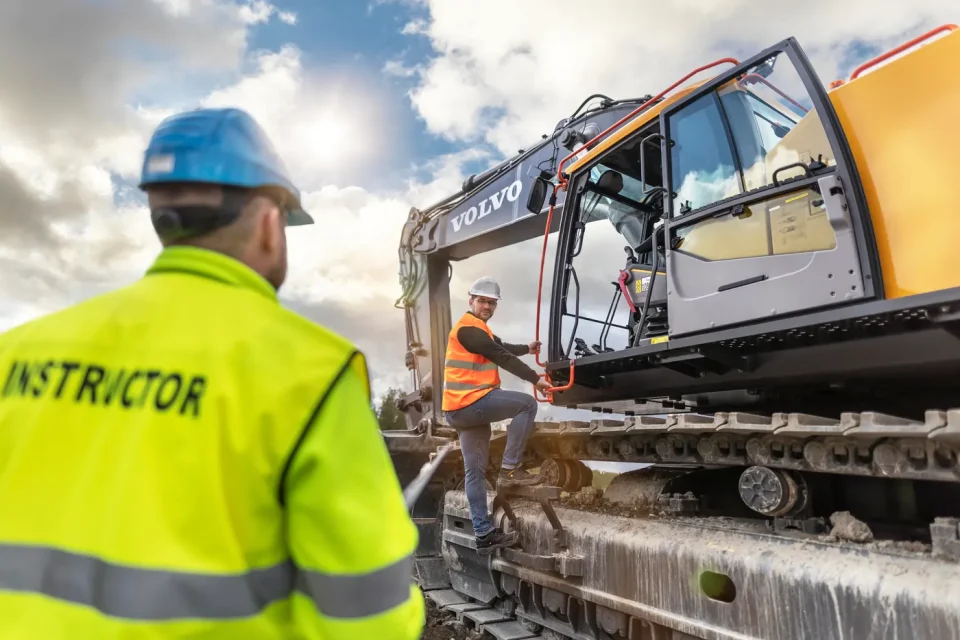
- Sprocket and idler free of cracks and wear
- No broken pads
- No loose rollers
- No broken flanges
- Proper grouser height
- Proper track tension
- Free of debris
Wheeled Vehicle Checklist:
- Tire pressure is good
- Adequate tread
- No debris caught in tread or embedded in rubber
- Lug nuts in place and secure
Hydraulic System Checklist:
- Hydraulic fluid full and in good condition
- Smooth operation
- Cylinders hold at extension
- Inspect lines for leaks, bulges, cracking, and wear
- Pumps operable in good condition
Excavator Checklist:
Check the following before operating an excavator:
- Boom and stick free of cracks, bends, and pin wear
- Bucket or other attachment free of damage and responsive
- Counterweight bolts in place and secure
- Swing bearing has no excessive play or grinding, smooth rotation in both directions
Loader Checklist:
Check the following before operating a wheeled loader or tracked loader:
- Bucket free of cracks
- No excessive wear on bucket teeth and cutting edge
- Pins and bushings on articulation joint in good condition
- Smooth bucket curl and dump
Dump Truck Checklist:
Check the following before operating a dump truck:
- DOT-approved equipment and markings for highway operation (if applicable)
- Smooth raise and lower with dump hoist cylinders
- Body prop rods available and in good condition
- Smooth PTO engagement
Articulated Hauler Checklist:
Check the following before operating an articulated hauler:
- Check for play in articulation joint
- Inspect joint seals for damage
- Ensure tightness of articulated joint fasteners
- Look for damage on articulation stops
- DOT-approved equipment and markings for highway operation (if applicable)
- Smooth raise and lower with dump hoist cylinders
- Body prop rods available and in good condition
- Smooth PTO engagement
Bulldozer Checklist:
Check the following before operating a bulldozer:
- Blade cutting edge is free of wear and cracks
- Blade lift cylinders smooth with no leaks
- Ripper cylinders free of leaks
Scraper Checklist:
Check the following before operating a scraper:
- Gooseneck is free of cracks, bends, and wear
- Steering linkage is free of cracks, wear, and damage
- Bowl & ejector free of damage, distortion, or wear
Compactor Checklist:
Before operating a compactor, check the following:
- Look for damage, wear, and buildup on the drum surface
- Ensure the drum scrapers are properly adjusted and free of wear
- Vibratory system is operating and in good condition
- Shock mounts and isolators are in good condition
- Water spray system has clean nozzles and a full tank
McClung-Logan Is Ready to Help
If any of your daily inspections reveal problems, McClung-Logan is ready to help, no matter the level of the problem.
If you discovered problems that you can fix, we have an industry-leading parts department that offers 24/7 support. With 10 branch locations across Maryland, Delaware, and Virginia, you’re never far from us in the Mid-Atlantic region. Our experienced and knowledgeable technicians can help you find the part you need so you can get repairs completed with minimum downtime.
If you discovered a problem that requires more significant service than you are prepared to perform, our exceptional service department is ready to help. Our service department can handle repairs on the following brands:
- Volvo
- Volvo Penta
- Takeuchi
- Mecalac
- Avant
- Prinoth
- K-Tec
- Gradall
- TANA
- Shuttlewagon
- Dur-A-Lift
- Dynapac
- Bobcat (Portable Power)
- Boxer
- Towmaster
In addition to repairs, we can take over regular inspections and preventive maintenance to help you head off work-stopping problems in the future.
Finally, if your equipment is becoming too unreliable or expensive to maintain, we offer new and used replacement equipment that can handle all your most demanding jobs. We offer a wide range of high-performance heavy equipment to suit all your needs.
McClung-Logan has been the leading heavy equipment dealer in the Mid-Atlantic region since 1939. Our longevity is due in part to our commitment to our customers’ success. We want you to succeed, so all our parts, service, and purchase recommendations are based on your best interests.
For help with parts, service, or new heavy equipment purchases, please contact one of our 10 branch locations across Maryland, Delaware, and Virginia today.
Heavy Equipment Inspection Checklist FAQs:
Why are daily heavy equipment inspections important?
Daily heavy equipment inspections catch problems before they turn into on-site failures, serious accidents, or extended downtime. They also reveal maintenance issues that should be fixed to extend the equipment’s life. A full daily inspection takes time, but it saves time overall by preventing breakdowns.
What should a daily heavy equipment inspection include?
A daily heavy equipment inspection should cover the exterior, the cab, the engine and drive, the hydraulic system, and either the tracks or the wheels. Each machine type, such as an excavator, loader, dump truck, or bulldozer, also needs checks on its own specialized components. Any system that goes uninspected is more likely to wear out and fail.
What should you check on the outside of heavy equipment each day?
On the outside of heavy equipment, confirm that the roll-over protection system (ROPS) is manufacturer-approved and secured to the frame. Check that deflectors, safety screens, glass, and mirrors are secure and in good condition, and that ladders, steps, and grab rails are sound. Make sure the belly plate and radiator guards are securely mounted and free of debris and note any body damage and the machine’s cleanliness.
What should you check in the cab of heavy equipment before operating?
In the cab, confirm that approved seat belts work and that the seat is in good condition. Check that gauges and cab lights work, that steering is tight with no play, and that the service brakes and parking brake work and are properly adjusted. Test the emergency shutdown, clutches, heater and AC, horn, and warning alarms, including the backup alarm. Make sure a fire extinguisher is on board.
What engine and drive checks should be done on heavy equipment daily?
Check that battery terminals are tight and free of corrosion, and that the battery is held down securely. Check the oil level with the engine cold, then check oil pressure with the engine running while listening for knocks and looking for leaks. Inspect the fuel system, fan belts, engine mounts, final drive, transmission, differential, cooling system, and exhaust. Look for leaks, cracks, poor belt tension, and low fluid levels.
What should you inspect on tracked heavy equipment?
On tracked equipment, check that the sprocket and idler are free of cracks and wear. Look for broken pads, loose rollers, and broken flanges. Confirm proper grouser height and track tension and clear any debris from the tracks.
What should you inspect on wheeled heavy equipment?
On wheeled equipment, check tire pressure and tread depth. Remove debris caught in the tread or embedded in the rubber and confirm that all lug nuts are in place and tight.
How do you inspect a heavy equipment hydraulic system?
Check that the hydraulic fluid is full and in good condition, and that the system operates smoothly. Confirm that cylinders hold their position when extended. Inspect hydraulic lines for leaks, bulges, cracks, and wear, and make sure the pumps work properly.
What should you check before operating an excavator?
Before operating an excavator, check that the boom and stick are free of cracks, bends, and pin wear. Make sure the bucket or other attachment is undamaged and responsive, and that the counterweight bolts are in place and tight. The swing bearing should rotate smoothly in both directions with no excessive play or grinding.
What should you check before operating a wheel loader or track loader?
Before operating a loader, check the bucket for cracks and the bucket teeth and cutting edge for excessive wear. Inspect the pins and bushings on the articulation joint and confirm that the bucket curls and dumps smoothly.
What should you check before operating a dump truck?
Before operating a dump truck, confirm that the dump hoist cylinders raise and lower the body smoothly. Make sure body prop rods are on hand and in good condition, and that the PTO engages smoothly. If the truck will run on highways, check that it has DOT-approved equipment and markings.
What should you check before operating an articulated hauler?
Before operating an articulated hauler, check the articulation joint for play, inspect the joint seals for damage, and confirm that joint fasteners are tight. Look for damage on the articulation stops. Also run the same checks as for a dump truck: smooth hoist operation, body prop rods, smooth PTO engagement, and DOT-approved equipment and markings for highway use.
What should you check before operating a bulldozer?
Before operating a bulldozer, check the blade cutting edge for wear and cracks. Confirm that the blade lift cylinders move smoothly without leaks and that the ripper cylinders don’t leak.
What should you check before operating a scraper?
Before operating a scraper, check that the gooseneck and steering linkage are free of cracks, bends, wear, and damage. Inspect the bowl and ejector for damage, distortion, or wear.
What should you check before operating a compactor?
Before operating a compactor, check the drum surface for damage, wear, and buildup, and make sure the drum scrapers are properly adjusted and not worn. Confirm that the vibratory system works and that shock mounts and isolators are in good condition. The water spray system should have clean nozzles and a full tank.
Where can I get heavy equipment parts and repairs in Maryland, Delaware, and Virginia?
McClung-Logan provides heavy equipment parts, service, and repairs from 10 branch locations across Maryland, Delaware, and Virginia. Its parts department offers 24/7 support. Its service department can also handle regular inspections and preventive maintenance. McClung-Logan has been a heavy equipment dealer in the Mid-Atlantic region since 1939.
What heavy equipment brands does McClung-Logan service?
McClung-Logan’s service department repairs these brands:
- Volvo and Volvo Penta
- Takeuchi
- Mecalac
- Avant
- Prinoth
- K-Tec
- Gradall
- TANA
- Shuttlewagon
- Dur-A-Lift
- Dynapac
- Bobcat (Portable Power)
- Boxer
- Towmaster
What should I do if my heavy equipment is too expensive to maintain?
If heavy equipment has become too unreliable or costly to maintain, replacing it may make more sense than continuing repairs. McClung-Logan sells new and used heavy equipment as replacements, and its team can recommend whether to repair or replace a machine.