
How to Decide Between New and Used Heavy Equipment
Every heavy equipment purchase comes with the same fundamental question: should I buy new or used equipment? The answer depends entirely on your specific situation. Your utilization rate, application, cash flow and risk tolerance all factor into the equation, and weighing them against each other is what leads you to the option that actually makes sense for your business. Buyers who skip that process and default to buying new heavy equipment because it feels safer, or used equipment because it’s cheaper, risk overextending their capital, inheriting maintenance problems or ending up with a machine that doesn’t match their actual workload.
The Case for Buying New Heavy Equipment
Buying new heavy equipment makes the most sense when these advantages align with your priorities.
Greater Reliability
New heavy equipment comes with a level of certainty that used machines can’t match. You know exactly what you’re getting:
- Full warranty coverage
- Zero accumulated wear
- A complete service history that starts with you
If you run your heavy equipment hard and can’t afford unexpected downtime, that certainty provides tremendous value and peace of mind.
Warranty Coverage
Warranty coverage is one of the most tangible advantages of buying new. Depending on the manufacturer and equipment type, new machines typically come with coverage that protects you against major component failures during the early years of ownership, which is when you’re still paying down the purchase.
Access to the Latest Technology
New heavy equipment also gives you access to the latest advances in fuel efficiency, machine technology and emissions compliance. Newer machines generally burn less fuel than older models performing the same work, and that difference can save you a significant amount of money over thousands of operating hours. If your operation is subject to emissions regulations, buying new ensures you’re starting with equipment that meets current standards.
More Favorable Financing Terms
Financing terms on new equipment are also typically more favorable than on used heavy equipment, with lower interest rates and longer repayment periods available through manufacturer financing programs. That can make the monthly payments on a new machine more manageable than the sticker price suggests.
The Case for Buying Used Heavy Equipment
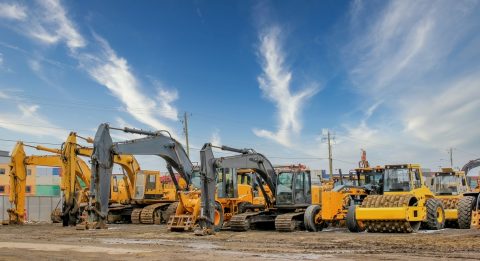 Used heavy equipment provides an entirely different set of benefits which may be more appealing based on the specifics of your business.
Lower Upfront Cost
The most obvious advantage of buying used equipment is the lower upfront cost. Used heavy equipment sells at a significant discount compared to new machines, and that lower purchase price can significantly improve your cash flow, reduce your financing burden and shorten the time it takes to generate a return on your investment.
Less Depreciation Exposure
You’ll sidestep shouldering the burden of depreciation when you purchase used equipment. New heavy equipment depreciates most aggressively in the first few years of ownership. When you buy used, you’re letting the original owner absorb that depreciation hit while you get the machine at a price that more accurately reflects its current market value.
A Smarter Choice for Low-Utilization Applications
For applications that don’t demand continuous heavy-duty use, a well-maintained used machine can perform the same work as a new one at a fraction of the cost. If you need a machine for periodic site work, you’ll have different requirements than if you’re running your equipment on a high-production job site, and buying new for a low-utilization application is difficult to justify financially.
Greater Ability to Expand Your Fleet
Used equipment also gives you a practical path to expanding your fleet without overextending your capital. If your business is growing and you need to add capacity quickly, the used market can get you there faster and at a lower financial risk than buying new across the board.
Factors to Evaluate When Choosing Between New and Used Heavy Equipment
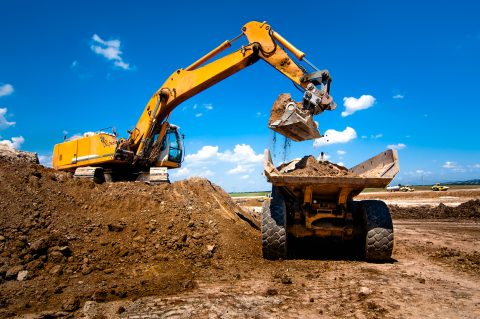 Choosing between new and used heavy equipment comes down to evaluating several factors that are specific to your business and your operation. Each of these factors will require tradeoffs, and the weight you give each one will depend on your priorities.
Utilization Rate
Your equipment’s utilization rate is the single biggest factor you need to evaluate when making this decision. High-utilization operations that run equipment consistently and heavily get more value from the reliability, warranty coverage and technology advantages that come with new heavy equipment. Machines with lower utilization rates often favor purchasing used, since you’re spreading the cost of the equipment across fewer productive hours. This makes the advantages of new equipment harder to justify financially.
Application Demands
The nature of the work your equipment will perform affects how much risk you’re taking on with a used machine. Continuous heavy-duty applications put significant stress on major components, and a used machine with accumulated wear has less remaining service life to give you in those conditions. For lighter or more intermittent applications, a well-maintained used machine carries much less risk.
Cash Flow and Total Cost of Ownership
It’s critical to look at the total cost of ownership when comparing new and used equipment. This figure gives you a more complete picture of what you’re actually paying for the machine over its lifespan than the purchase price, since it incorporates the other costs you’ll incur over time. A new machine costs more upfront but typically has lower maintenance expenses in the early years of ownership. A used machine costs less to acquire but may require more annual maintenance expenses depending on its age, hours and condition. Running both scenarios against your cash flow situation will help you determine which option makes more financial sense over your intended ownership period.
Resale Strategy
Your equipment ownership timeline and resale strategy will impact whether new or used heavy equipment makes more financial sense. If you replace equipment regularly, the depreciation curve on a new machine will significantly reduce your resale value, making it hard to get a strong return on your investment. If you run machines until they’re fully depreciated and extract maximum service life from them, buying new equipment becomes easier to justify.
Red Flags to Look for When Buying Used Heavy Equipment
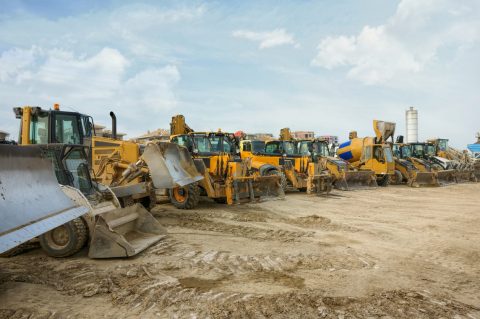 Buying used equipment carries inherent risk, and most of that risk comes down to the condition and history of the specific machine you’re considering. Knowing what to look for before you commit to a purchase can save you from acquiring a machine that costs far more to own than you anticipated.
Gaps in Service History
A complete service and maintenance history is the first thing you should ask for when evaluating used equipment. Records that document regular maintenance, fluid changes and component repairs tell you the machine was properly cared for. Gaps in the service history are a warning sign that maintenance may have been deferred, which increases the likelihood that the equipment will require significant repairs in the future.
High Usage Hours
A machine with high hours can potentially be a cause for concern depending on how the equipment was used and how well it was maintained. A high-hour machine that has been well maintained and operated in light applications may have more remaining service life than a lower-hour machine that was run hard in severe conditions. Ask about the application the equipment was used in and compare that to the service records.
Signs of Damage
When inspecting used equipment, look for signs of structural damage, cracks in the frame, worn undercarriage components on track machines, and evidence of repairs that weren’t properly documented. If you don’t have the expertise to evaluate a machine thoroughly, bring someone who does, or ask your dealer to walk you through the inspection.
Seller’s Reputation
Where you buy used equipment also affects your risk level. Purchasing from a reputable heavy equipment dealer gives you more protection than buying through a private party or auction. A dealer has a reputation to protect, and they’ll typically conduct their own inspection and reconditioning process before putting used equipment on the lot. Private party and auction purchases offer fewer protections and limited recourse if problems surface after the sale.
McClung-Logan Can Help
Whether you decide to purchase new or used equipment, partnering with the right heavy equipment dealer will ensure you end up with the right machines for your unique needs and applications. At McClung-Logan, we’ll guide you through the evaluation process to ensure you make the right decision for your business.
McClung-Logan has been the leading heavy equipment dealer in the Mid-Atlantic region since 1939, and our team has built our reputation by providing reliable, high-quality equipment and honest recommendations that are aligned with our customers’ specific business needs. Our sales experts will discuss your needs with you in detail so that we can make customized recommendations that provide you with the best return on your investment.
We offer an extensive line of new and used equipment for sale, ensuring we can address your needs. Our inventory includes the latest models of high-performance equipment from many of the leading brands, including:
- Volvo
- Takeuchi
- Mecalac
- Avant
- K-Tec
- Prinoth
- Gradall
- Shuttlewagon
- Dura-A-Lift
As your dedicated heavy equipment partner, our goal is to build a long-lasting relationship with you that allows us to serve your needs throughout the life of your equipment. You’ll benefit from a service team that can address all maintenance and repair needs you may have over time. We also carry an extensive inventory of parts on hand, allowing us to complete your repairs as quickly as possible. Whenever we’re able to, we’ll provide you with loaner equipment to minimize your downtime while your machines are being serviced.
Contact one of our branch locations today to speak with a Territory Manager. McClung-Logan is a full-service heavy equipment dealer serving the Mid-Atlantic region.
Frequently Asked Questions: Purchasing New vs. Used Heavy Equipment
Should I buy new or used heavy equipment?
The right choice depends on your specific situation. Key factors include how many hours per year you’ll run the machine, the demands of your applications, your cash flow, your total cost of ownership over the intended ownership period and your resale strategy. There is no universal right answer, and both options have legitimate advantages depending on your business.
What are the main advantages of buying new heavy equipment?
New heavy equipment offers full warranty coverage, zero accumulated wear and a service history that starts with you. It also gives you access to the latest fuel efficiency and technology improvements, and financing terms on new equipment are typically more favorable than on used machines.
What are the main advantages of buying used heavy equipment?
Used heavy equipment costs significantly less to acquire than new, which improves cash flow, reduces financing burden and shortens the time it takes to generate a return on your investment. Buying used also lets you avoid the steepest portion of the depreciation curve, since new machines lose value most aggressively in the first few years of ownership.
How does utilization rate affect the new vs. used decision?
Utilization rate is the single biggest factor in this decision. High-utilization operations that run equipment consistently and heavily get more value from the reliability, warranty coverage and technology advantages that come with new equipment. Lower utilization rates favor used, since you’re spreading the cost across fewer productive hours and the advantages of new are harder to justify financially.
What should I look for when buying used heavy equipment?
Start by requesting a complete service and maintenance history. Gaps in service records can indicate deferred maintenance and increase the likelihood of upcoming repairs. Evaluate hour meter readings in the context of how the machine was used and how well it was maintained. Inspect the machine for structural damage, frame cracks and evidence of undocumented repairs. Purchasing from a reputable heavy equipment dealer rather than a private party or auction reduces your risk significantly.
Is high-hour used equipment worth buying?
A high-hour machine that has been well maintained and used in light applications may have more remaining service life than a lower-hour machine that was run hard in severe conditions. Always evaluate hours alongside the service history and the application the machine was used in before drawing conclusions about its remaining value.
What is total cost of ownership and why does it matter when comparing new and used equipment?
Total cost of ownership accounts for all costs you’ll incur over the life of the machine, not just the purchase price. A new machine costs more upfront but typically requires less maintenance spend in the early years of ownership. A used machine costs less to acquire but may require more maintenance investment depending on its age, hours and condition. Running both scenarios against your cash flow situation gives you a more accurate picture of which option makes more financial sense over your intended ownership period.