
How to Finance Heavy Equipment without Straining Cash Flow
Key Takeaways:
Heavy equipment finance avoids cash flow strain when payments match revenue timing, terms match equipment use and working capital is protected. The most effective approaches include sizing payments based on historical cash flow figures, choosing the right financing type, managing down payments strategically, using seasonal or flexible payment structures when appropriate, and controlling total ownership obligations across your fleet. Strong cash flow outcomes depend on disciplined budgeting, clear deal terms, and avoiding financing structures that create payment spikes or hidden costs.
The high purchase price of heavy equipment often requires you to finance these machines in order to fit them into your budget. But not all financing solutions are created equal. Poor heavy equipment financing decisions can result in high monthly payments that rob you of essential cash flow necessary to run your business. When you evaluate financing options strategically, you can find a payment structure and term that spreads these costs out in a way that maintains the working capital necessary to keep your operations running smoothly.
Set a Payment Ceiling Before You Shop
Heavy equipment finance should begin with a defined payment ceiling based on your current cash position. Without a ceiling, the financing structure will often expand to the maximum amount a lender approves rather than the amount your business can reliably carry.
Equipment payments are fixed obligations, and they must remain manageable during slower billing cycles, delayed receivables or seasonal dips. Before applying for financing, calculate the highest monthly payment your operation can absorb after payroll, fixed overhead, fuel, maintenance, insurance and existing debt obligations are covered. Use your historical financial figures, not projected revenue growth, to set the appropriate payment ceiling.
Match the Financing Term to Your Monthly Cash Flow
 The financing term determines how much cash leaves your business each month and for how long. Shorter terms raise the monthly payment and tighten your budget. Longer terms lower the monthly payment but keep the obligation in place for more years. There are tradeoffs that must be evaluated:
- A shorter term reduces the total interest paid and therefore lowers the overall cost of the machine, but it places greater strain on your cash flow
- A longer term increases the total interest paid over the life of the loan and raises the overall cost of the machine, but it reduces the strain on your monthly cash flow
Choose a term that keeps the payment comfortably within your defined ceiling. The payment should remain manageable during slower billing periods, not just during strong months. If the term forces you to rely on ideal revenue conditions to stay comfortable, it is too aggressive.
Choose a Down Payment Size That Won’t Cripple Your Monthly Operations
The size of your down payment significantly impacts your short-term cash flow. A larger down payment reduces your monthly obligation but decreases immediate working capital. A smaller down payment preserves liquidity but increases the monthly payment amount.
While it’s tempting to make the maximum down payment you can afford in order to reduce monthly loan obligations, this isn’t always the best approach. Heavy equipment finance should not deplete the cash buffer that protects payroll, fuel purchases, routine service and unforeseen issues that can raise your expenses unexpectedly. If your down payment uses up these critical cash reserves, it’s a sign that you should put down a smaller amount.
Align Payment Timing with Revenue Intake
Payment size isn’t the only factor that can create cash strain. A manageable payment can become disruptive to your operations if it is due before receivables clear, making it critical to align your payment timing with your revenue intake.
Many financing agreements will allow you to select the payment date. This allows you to make strategic decisions regarding payment timing that will reduce strain on your cash flow. To maximize working capital:
- Choose due dates that follow predictable collection cycles
- Avoid clustering multiple equipment payments within the same week
- Distribute obligations across the month to maintain optimal financial flexibility at all times
Evaluate Fixed Versus Variable Rate Options
 The interest rate structure affects the predictability of your monthly payments. Fixed-rate financing provides stable payments over the term. Variable-rate financing may begin lower but can increase if market rates shift.
If your margins are tight or your revenue fluctuates, choosing a loan with a variable interest rate can expose you to potential cash flow issues down the road. In many instances, opting for a fixed-rate loan provides for greater stability in your monthly payments that simplifies budgeting and protects working capital planning.
Keep Maintenance Capacity Intact
Equipment payments must leave room in the budget for preventive maintenance. Financing that consumes too much monthly cash often leads to deferred service. This increases mechanical wear, which can create unplanned repair expenses that further strain your cash flow.
A sustainable financing structure allows you to:
- Fund scheduled maintenance
- Replace wear components on time
- Handle routine service without borrowing
Analyze Total Fleet Obligation, Not Single Payments
Cash flow strain often develops incrementally. Each individual equipment payment may appear manageable but over time, the cumulative obligation of all loan payments across your fleet may not be.
Before adding a new financed asset, evaluate your:
- Total monthly equipment payments
- Existing lease commitments
- Lines of credit used for equipment purchases
- Other fixed operational debt
These factors will help you determine whether taking on an additional loan makes financial sense and if so, the maximum amount you can safely absorb in addition to your existing payments without straining your cash flow.
Base Financing on Long-Term Equipment Utilization
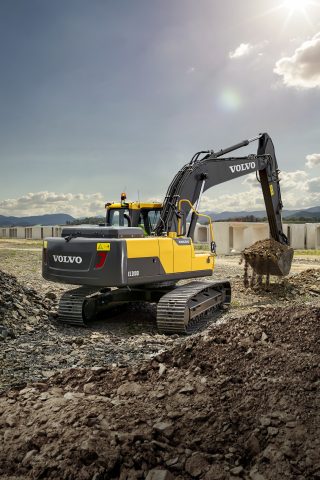 Payment affordability depends on equipment use. If projected utilization declines, revenue tied to the machine decreases while the payment remains fixed.
Heavy equipment finance should be structured around conservative utilization expectations. Base the payment decision on average historical demand, not peak workload. A machine financed on optimistic utilization can strain your cash flow if you’re unable to secure enough jobs to justify ownership of the equipment.
Protect Working Capital Reserves
Working capital is essential to protect your business during lean times. Late-paying customers, weather delays, material shortages and labor disruptions can all negatively affect revenue intake, requiring you to dip into your reserves to keep your business running.
Financing that reduces reserves to minimal levels increases financial risk. To avoid this, make sure you’re able to maintain a defined liquidity cushion after closing and throughout the financing term. The reserve level you choose should be sufficient to cover multiple months of fixed obligations without new revenue.
Separate Approval from Affordability
Lender approval confirms creditworthiness. It does not confirm payment comfort. Approval thresholds may exceed what your operation should responsibly carry.
Evaluate every financing proposal against your internal ceiling, utilization assumptions and working capital targets. If the approved amount requires optimistic revenue to remain comfortable, it’s a sign that you can’t afford the loan.
McClung-Logan Can Help
At McClung-Logan, we’re committed to supporting your ongoing success. Whether you’re purchasing new or used heavy equipment from us, we’ll work with you to determine the right financial solutions for your business and cash flow needs. We offer a variety of financing options, and our team will go through each solution with you to ensure you understand how they will impact both your short-term cash flow and your long-term financial health.
Contact one of our branch locations to speak with a sales representative. McClung-Logan is a full-service heavy equipment dealer serving the Mid-Atlantic region.