
How to Reduce Equipment Costs and Improve Productivity in a Construction Fleet
Two construction businesses can spend the same amount on their equipment fleets and end up in very different financial positions. One controls its equipment costs and gets strong productivity out of every machine it owns, seeing steady margins and equipment that holds up over years of use. The other loses money to downtime, underused machines and repairs that could have been prevented, while getting less output from the same investment. The difference usually comes down to how well the fleet is managed. A construction fleet management strategy built around reducing costs and improving productivity determines whether your equipment investment turns into stronger job margins, more competitive bids and a fleet that lasts.
Factors Impacting Construction Equipment Costs Beyond the Purchase Price
The purchase price or rental rate on a piece of heavy equipment is only the starting point for the total costs associated with owning and operating the machine. When determining your total equipment costs, you must also evaluate the following factors:
- Fuel Costs – Fuel consumption varies significantly by machine type and job conditions. It creates a recurring cost for as long as the equipment stays in service.
- Service Costs – Maintenance and repairs add another layer to the total cost of ownership. These items include both scheduled service and the unplanned work that comes from wear, misuse or delayed inspections.
- Insurance and Financing Costs – Insurance costs are a monthly expense that continue even when your equipment isn’t actively being used on a job site. Financing costs will create an additional monthly expense until your equipment is paid off, and the interest paid on your loan can significantly increase the cost of your equipment.
- Depreciation – All equipment loses value over time. This depreciation reduces the resale or trade-in value when you’re ready to replace the machine. The rate at which each machine’s value declines depends heavily on usage hours and maintenance history.
- Storage and Transportation Costs – Storage and transporting your equipment to and from jobsites add additional costs over the lifetime of the equipment. These costs include yard space, hauling and the labor required to move equipment between sites.
All of these factors impact the total cost of ownership for each piece of equipment you own. Effective construction fleet management helps you control these costs so that they stay as low as possible over the lifetime of your equipment.
Fleet Utilization Impacts Your Equipment’s ROI 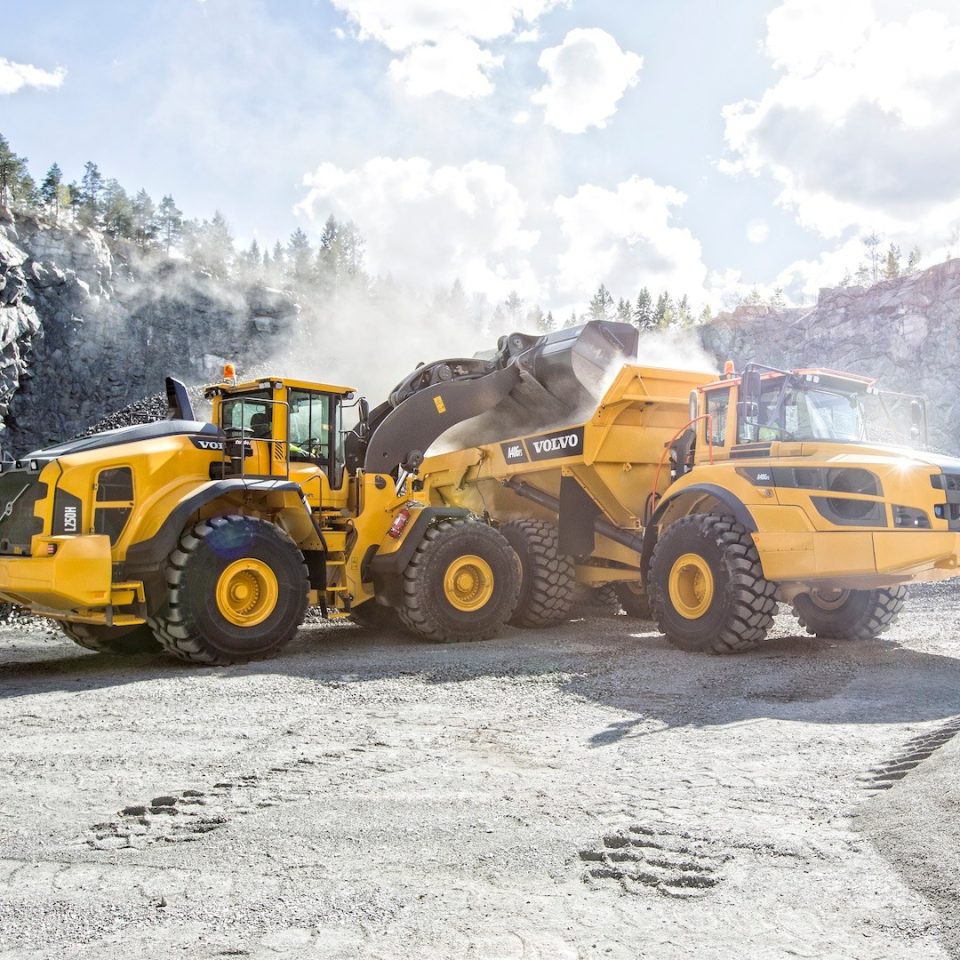
Fleet utilization measures the amount of time a piece of equipment spends working compared to how much time it sits idle. Low fleet utilization results in your monthly and annual recurring equipment costs being offset by fewer billable hours, which lowers the return you get from every dollar spent on that machine.
Several factors commonly drive utilization down:
- Fleet Size Mismatched to Workload – Owning more equipment than your current project volume requires can result in machines sitting unused for extended periods of time.
- Seasonal Demand Swings – Equipment purchased for peak season workload can often sit idle during slower months, while its monthly ownership costs continue year round.
- Inconsistent Tracking – Without a reliable way to monitor which machines are currently in use and which are available for a project, equipment can sit idle simply because a crew doesn’t know a particular machine is currently available for use.
- Holding Equipment for Occasional Use – Owning a machine for tasks that come up only a few times a year ties up money in an asset that spends most of its time unused.
Improving fleet utilization increases the return on every piece of equipment you own, since the same ownership costs get offset by more productive hours that generate additional revenue for your business.
Preventive Maintenance Lowers the Long-Term Cost of Equipment Ownership
Preventive maintenance plays an important role in your ability to keep your equipment running at peak performance over its lifespan. It involves servicing equipment on a set schedule based on usage hours or time intervals.
When preventive maintenance tasks get neglected, your equipment is more likely to break down or develop larger issues that may require costly repairs. The need for repairs also takes the machine out of service unexpectedly, and the cost of the resulting downtime reduces the equipment’s productivity until it is back in proper working condition.
A consistent preventive maintenance program identifies component wear before it leads to failure, which keeps both repair costs and downtime costs lower over the life of your equipment. Making preventive maintenance a standard part of construction equipment management keeps those savings consistent across your entire fleet.
Reducing Downtime Through Better Fleet Oversight
Downtime is one of the most disruptive challenges in heavy equipment fleet management. Every hour a machine sits idle due to a breakdown reduces the equipment’s productivity, delays project timelines and costs your business money.
The following fleet oversight practices will help you reduce the frequency and duration of downtime for your equipment:
- Daily Operator Inspections – Having your operators check fluid levels, tire or track condition, and warning indicators before each shift catches developing issues before they cause a failure on the job site.
- Centralized Maintenance Records – Keeping your equipment’s service history in one accessible system lets you easily identify which machines are due for maintenance, ensuring these important tasks are performed on schedule.
- Parts Availability Planning – Stocking or having quick access to commonly needed parts shortens the time your equipment spends waiting for a repair once an issue is identified.
- Equipment Tracking Systems – Monitoring machine location and usage hours across your fleet lets you catch overdue maintenance and address these tasks before your equipment experiences a breakdown.
Choosing Between New, Used and Rental Equipment 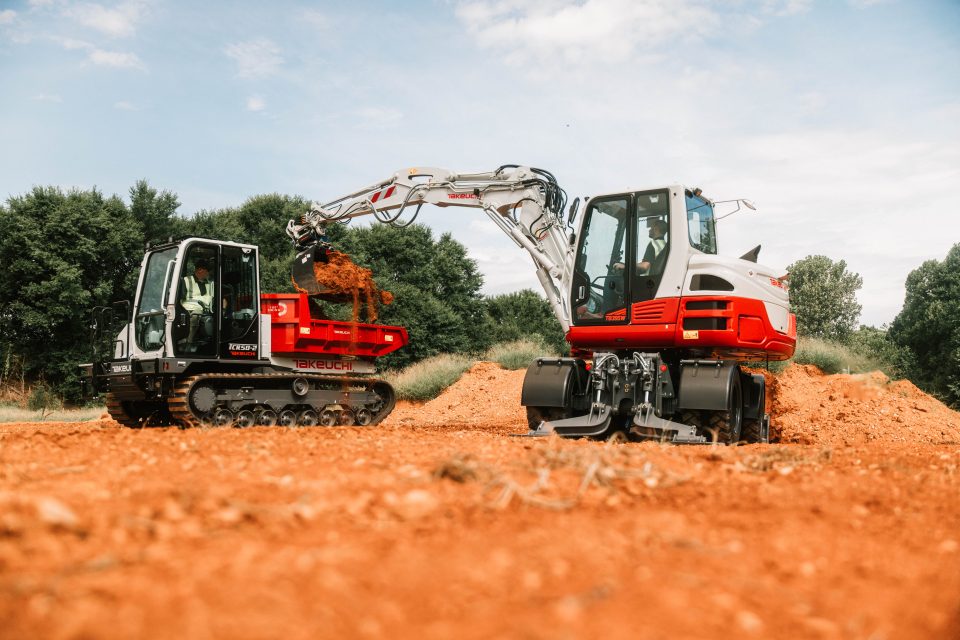
Every piece of equipment your business needs can be acquired three ways: purchased new, purchased used or rented for the length of a specific job. Each of these options carries its own set of tradeoffs:
- New Equipment – Purchasing new equipment provides the longest expected service life and the manufacturer’s full warranty coverage, but it also has the highest upfront cost of the three options. However, you’ll often save money over the lifetime of the equipment due to better fuel efficiency and lower repair costs over the first few years of ownership.
- Used Equipment – Purchasing used equipment lowers the initial purchase price, though it typically comes with a shorter remaining service life and a higher likelihood of repairs.
- Rental Equipment – Renting equipment transfers the cost and responsibility for equipment maintenance and storage to the dealer, and it can be an ideal solution when the equipment is needed only for a limited period of time.
Each of these options also affects productivity differently. The increased reliability associated with new equipment reduces the chance of unplanned downtime during a job, while used equipment often comes with an increased risk of a breakdown and costly downtime. Rental equipment eliminates the idle time associated with a purchased machine that is only used in limited applications, and you’re also less likely to experience a breakdown if the heavy equipment dealer maintains their rental fleet properly. However, you risk downtime and project delays in the event that your rental provider doesn’t have the equipment on hand when you need it, which is a real concern during peak season.
Using Fleet Data to Guide Replacement Decisions
A machine’s age or depreciation status alone doesn’t tell you whether it should stay in your fleet. Its repair costs, downtime frequency, resale value and remaining usefulness for your jobs determine whether keeping it still makes financial sense.
Several signs point toward replacing your equipment or shifting to a rental arrangement:
- Rising Repair and Operating Costs – Escalating repair costs or declining fuel efficiency are a sign that the machine costs more to run than it used to.
- Increasing Downtime – Frequent breakdowns or repeat failures on the same components result in unnecessary downtime that significantly reduces the machine’s productivity.
- Falling Resale Value – A resale or trade-in value that keeps dropping the longer you hold onto the machine reduces the amount of money you can recover toward its replacement. Replacing the machine before it completely loses all resale value will help you lower the upfront costs associated with the machine’s replacement.
- Outdated Technology or Compliance Gaps – A machine that can no longer meet current emissions standards, safety requirements or job specifications has limited usefulness and likely won’t be productive enough to justify keeping.
- Parts and Service Availability – Parts that take longer to source or require more shop time to install increase downtime and reduce the machine’s productivity.
On the other hand, a machine that is still reliable, maintains a reasonable cost per hour, and remains supported by available parts is generally worth keeping in service. Reviewing your fleet against these indicators on a regular basis ensures your equipment replacement decisions remain objective and supported by data.
McClung-Logan Can Help
If you’re considering upgrading your construction equipment, McClung-Logan can help you navigate the process. We’ve been the leading heavy equipment dealer in the Mid-Atlantic region since 1939, and we’ve build our reputation by providing honest recommendations that are aligned with your specific business needs. As your dedicated heavy equipment partner, we’ll help you develop an effective fleet management plan to get the most out of your equipment. Our detailed knowledge of your operations will also help us provide customized recommendations that help you choose the right equipment.
We offer a comprehensive line of new and used construction equipment for sale, as well as a rental fleet that can address the varied needs of your construction projects. Our inventory includes the latest models of heavy equipment from many of the leading brands, including:
- Volvo
- Takeuchi
- Mecalac
- Avant
- K-Tec
- Prinoth
- Gradall
- Shuttlewagon
- Dura-A-Lift
At McClung-Logan, we’ll always be here to provide the support you need throughout the life of your equipment. Our highly trained service team can address all your repair and maintenance needs. We also carry an extensive inventory of parts on hand so that we can complete your repairs quickly to minimize downtime. Whenever possible, we’ll provide you with loaner equipment while your machines are in our shop so that your projects can continue on schedule.
Contact one of our branch locations to speak with a Territory Manager. McClung-Logan is a full-service heavy equipment dealer serving the Mid-Atlantic region.
Construction Fleet Management FAQs
What is construction fleet management?
Construction fleet management is the practice of overseeing a company’s heavy equipment to control costs and maximize productivity. It covers decisions about acquiring equipment, tracking how much each machine is used, keeping up with maintenance and deciding when to repair, replace a piece of equipment.
How can I reduce equipment costs on a construction site?
Reducing equipment costs starts with tracking the full monthly and annual costs of each machine, including fuel, maintenance, insurance and financing, rather than just its purchase or rental price. Comparing that cost against how often the equipment gets used identifies machines with ongoing costs that exceed the revenue they generate for your business. In addition, following a consistent maintenance schedule reduces the larger repair and downtime costs that come from letting small issues go unaddressed.
What is a good utilization rate for construction equipment?
A good utilization rate varies by equipment type and the nature of the work it performs, so there’s no single target that applies across an entire fleet. A machine with a utilization rate that stays consistently low relative to similar equipment in your fleet is generally a signal that it costs more to own than it contributes in billable work.
How often should heavy equipment be serviced?
Service intervals depend on the manufacturer’s recommendations for that specific machine, and they are typically based on usage hours rather than a fixed calendar schedule. Following those intervals consistently will help keep repair and downtime costs lower over the life of the equipment.
Is it cheaper to rent or own construction equipment?
The decision to rent vs own construction equipment depends on how often you’ll use the equipment. Machines used consistently across most of your projects typically cost less per hour to own over time than to rent repeatedly. Equipment needed only for specific or occasional jobs often costs less to rent, since renting avoids the ownership costs that continue even when a machine isn’t being used.