
Most Common Causes of Equipment-Related Construction Project Delays
Construction project delays can come from many potential causes. Equipment issues are one of the most disruptive, since they can bring your work to a stop without warning. This can cause you to incur unnecessary costs associated with prolonged downtime, extended equipment rentals and overtime wages to get back on schedule. These delays can also damage your reputation, making it harder to secure future projects.
While many potential causes of construction project delays are out of your control, equipment-related delays are often preventable. Understanding the causes of equipment-related project delays can help you take the steps necessary to avoid them.
Equipment Failure and Breakdowns
In many instances, equipment failures and breakdowns are the end point of a process that was underway for a long time. They often start as gradual wear on components such as hydraulic seals, undercarriage parts and engine systems. That wear typically produces warning signs before a full breakdown occurs, such as:
- Fluid leaks
- Unusual noises
- Changes in performance
Recognizing those warning signs early gives you the chance to address a developing problem before a breakdown occurs. In addition, regular equipment inspections can help you determine when component wear and tear has reached the point where replacing these parts is necessary. These proactive steps will help you significantly reduce the number of equipment failures and breakdowns your team experiences.
Poor Preventive Maintenance
Implementing a preventive maintenance program is the most effective way to slow the component wear that results in equipment breakdowns. An effective construction equipment maintenance program typically includes:
- Servicing components on the schedule recommended by the manufacturer
- Performing routine fluid and filter checks, including engine oil, hydraulic fluid and coolant
- Inspecting undercarriage components, tires or tracks for wear on a regular basis
- Lubricating moving parts according to the manufacturer’s recommended intervals
- Conducting daily pre-operation inspections to catch developing issues before a shift begins
- Addressing minor repairs as soon as they’re identified
- Tracking each machine’s service history individually, with dedicated records for each piece of equipment
Failing to diligently keep up with these important heavy equipment maintenance tasks allows wear to progress unnoticed until you experience an equipment breakdown. That breakdown can cost far more in downtime and lost productivity than the maintenance itself would have cost to perform.
Delayed Equipment Delivery
Supply chain lead times for new, used and specialty equipment are often outside your direct control, but the heavy equipment dealer you work with has real influence over how much those lead times actually affect your project. A dealer with strong inventory depth and manufacturer relationships can often secure equipment faster than one working from limited stock. Clear communication about realistic delivery timelines, provided before you commit to a purchase or rental, also gives you the information you need to plan around a potential delay.
Working with a dedicated heavy equipment dealer you trust gives you a consistent point of contact who understands your fleet and your project timelines. When you’re vetting a potential dealer partner, make sure you ask them about:
- Their current inventory levels for the equipment types you use most often
- Their typical lead times for the machines you’re likely to need
- Whether they offer rental equipment as a bridge option during a delay
- Their communication process for notifying you of delays as soon as they become known
A dealer who can answer these questions clearly is more likely to help you mitigate the supply chain issues that may be out of their control. This will play a critical role in your ability to avoid a delivery delay turning into a project delay.
Operator Error or Misuse
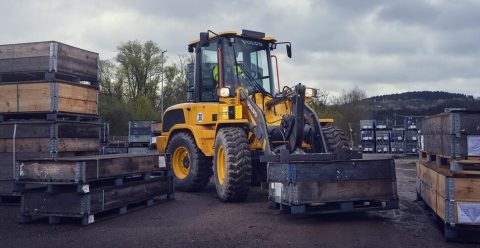 An operator who hasn’t been trained on a specific piece of equipment is more likely to use it in ways that cause damage. Even experienced operators need training on each specific model, since controls, load limits and handling can vary within the same equipment type. Proper operator training should include:
- Manufacturer-specific instruction on the controls and operating limits of each machine
- A clear understanding of load capacity and terrain limitations for the equipment being used
- The ability to recognize early signs that a machine is being pushed beyond its intended use
Operator error can also be mistaken for equipment failure. A machine damaged through improper use can break down in ways that resemble gradual component wear, even though proper training, not maintenance, is what would have prevented the breakdown.
Operator error also carries additional consequences. An operating mistake can result in an injury that halts work on site while the incident is addressed, introducing additional delays. You may also expose your business to liability issues which can compound the costs and reputational damage associated with your project delays.
Equipment Shortages or Wrong Equipment On Site
A project delay can also occur if you have the wrong equipment on site. A specialty attachment ordered too late or a machine sized incorrectly for the job can leave your crew unable to proceed. This issue is often caused by incomplete planning during the early stages of a project. Confirming the types and quantities of machines and attachments the job requires at the start of the project can help you avoid these unnecessary delays.
A dedicated heavy equipment partner who understands the needs of your business can help you plan for these requirements before a project begins. Since they’re familiar with your fleet and the types of jobs you typically take on, they can help you identify the right equipment and attachments for a specific project early enough to confirm availability and avoid last-minute delays.
McClung-Logan Can Help You Avoid Equipment-Related Delays
Many equipment-related project delays can be avoided by choosing the right heavy equipment partner. At McClung-Logan we can provide the support you need to minimize downtime and keep your projects on schedule.
We’ve been the leading heavy equipment dealer in the Mid-Atlantic region since 1939. As your dedicated partner, we’re invested in your long-term success. This starts with recommending the right equipment for your specific applications, but it also extends through the entire lifecycle of your equipment. Our team offers comprehensive heavy equipment maintenance services to keep your machines in good condition and reduce the risk of a breakdown.
You’ll experience a variety of benefits when you work with our service team, including:
- 24/7 assistance
- Highly trained technicians who will keep your equipment running properly
- Communication in your preferred style (text, phone or email)
- Extensive parts inventory to ensure repairs are completed as quickly as possible
- Loaner equipment, whenever possible, to minimize your downtime while your equipment is being serviced
Contact one of our branch locations today to speak with a Territory Manager. McClung-Logan is a full-service heavy equipment dealer serving the Mid-Atlantic region.
Equipment-Related Project Delay FAQs
What causes construction equipment to break down?
Most equipment breakdowns start as gradual wear on components such as hydraulic seals, undercarriage parts and engine systems. That wear typically produces warning signs such as fluid leaks, unusual noises or changes in performance before a full breakdown occurs. Addressing these signs as they arise and staying on top of heavy equipment maintenance can reduce your risk of costly equipment breakdowns.
What should a preventive maintenance program for construction equipment include?
An effective construction equipment maintenance program includes servicing components on the manufacturer’s recommended schedule; performing routine fluid and filter checks; inspecting undercarriage components, tires or tracks regularly; lubricating moving parts on schedule; conducting daily pre-operation inspections; and tracking each machine’s service history individually.
How can a heavy equipment dealer help prevent delivery delays?
A heavy equipment dealer with strong inventory depth and manufacturer relationships can often secure equipment faster than one working from limited stock. Clear communication about realistic delivery timelines before you commit to a purchase or rental also gives you the information you need to plan around a potential delay.
How does operator training reduce construction equipment damage?
Operators need training on each specific equipment model, since controls, load limits and handling can vary within the same equipment type. Training that covers manufacturer-specific controls, load capacity, terrain limitations and early warning signs of misuse helps prevent the kind of damage that forces a machine out of service.
What causes construction projects to have the wrong equipment on site?
Having the wrong equipment on site typically traces back to incomplete planning during the early stages of a project. Confirming the specific machines, attachments and quantities a job requires before the project begins helps avoid last-minute problems that can stall work.