
The Complete Guide to Buying Heavy Construction Equipment
Buying heavy construction equipment involves a significant financial commitment. A single piece of equipment can cost tens or hundreds of thousands of dollars, and you’re likely to own the machine for years. These purchasing decisions affect your cash flow, your taxes, and your ability to complete jobs on schedule while maintaining your desired profit margin.
Following a structured heavy equipment purchasing process increases the odds of getting each of these decisions right. It gives you a way to evaluate the tradeoffs between buying, renting and leasing, calculate the real cost of ownership beyond the purchase price, and negotiate from an informed position.
Determine Your Equipment Requirements
Every purchase decision you make requires you to match the equipment to the type of work your business performs, the size of the jobs you take on and the frequency with which that equipment will run.
Buying equipment that isn’t properly sized for the jobs you perform creates one of two costly outcomes:
- Equipment that is too large for your project requirements results in increased operating expenses associated with higher fuel and transportation costs, along with reduced efficiency compared with a properly sized machine.
- Equipment that’s undersized for your jobs reduces your productivity, increases your labor expenses and causes the machine to wear out faster.
Before evaluating construction equipment options, establish the number of hours per year the machine will realistically run and the range of job sites it needs to handle. That utilization estimate will guide your decisions regarding the specific pieces of equipment you need to add to your fleet.
Decide Whether to Buy, Rent or Lease
Once you’ve established your expected equipment utilization, you’ll need to determine whether it makes most sense to buy, rent or lease. Each option affects your business differently:
- Owning your equipment makes you responsible for repair, storage and transportation costs, in addition to the purchase price. In return, you have peace of mind knowing you’ll have access to the right equipment for your jobs when you need it. You also gain an asset with real resale value and a tax benefit you can claim over time.
- Renting equipment shifts responsibility for repairs and maintenance to the heavy equipment dealer, and you only pay for the machine during the projects where you know it will be used. The tradeoff is you don’t acquire an asset for your business, and there is no guarantee the equipment you need will be available when you need it, especially during peak season.
- Leasing gives you predictable monthly payments and access to newer equipment without paying the full purchase price upfront. Most lease agreements limit your hours of use, and you build no equity unless the agreement includes an option to buy at the end.
The equipment that makes sense to own outright is usually the equipment your business runs consistently throughout the year. Equipment you need only for occasional or seasonal jobs often costs less overall to rent. Leasing typically makes sense when you need a machine as a part of your regular operations, but lack the financial resources necessary to buy the equipment outright.
Understand the Total Cost of Ownership 
When shopping for heavy equipment, it’s important to assess the total cost of ownership, not just the purchase price of the machine. A lower purchase price doesn’t necessarily equate to a lower overall cost over the lifetime of the equipment. Fuel consumption, insurance premiums, scheduled maintenance, repairs and the rate at which the equipment depreciates all factor into what the equipment will cost you over the years you own it. Two machines priced similarly at purchase can end up costing very different amounts once these factors are evaluated.
Calculating total cost of ownership involves adding every cost associated with the equipment over the years you plan to own it, then dividing that total by the number of hours you expect to use it. That calculation produces a cost per hour figure. You can use that figure to compare two different purchase options objectively.
Compare New and Used Options
With your ownership costs in mind, you can compare buying new vs. used equipment to determine which option makes more financial sense for your business. New equipment comes with a manufacturer’s warranty, predictable maintenance needs and the latest technology, but it costs significantly more upfront and depreciates fastest in its first few years. Used equipment costs less to acquire and has already absorbed that early depreciation, but the condition and reliability of the machine depends on how the previous owner operated and maintained it.
The unknowns associated with a used machine’s service history make it a riskier purchase option than a new piece of equipment. However, you can usually identify low-risk used equipment options by evaluating the machine’s hours of operation, maintenance records, wear on the undercarriage or tires, and the condition of the hydraulic system. These items will help you determine how much useful life remains in the machine and whether it is likely to be reliable.
Negotiate the Final Price
Several factors determine your ability to negotiate the purchase price:
- Fair market value – Understanding fair market value for the equipment you’re purchasing allows you to evaluate whether the dealer’s asking price is fair. Pull recent sale prices for equipment with the same make, model, age and hour range, and use that figure as your negotiating baseline.
- Timing – Dealers are often more willing to negotiate on price near the end of a sales quarter or fiscal year, when they’re working to hit a sales target.
- Trade-in – Offering a trade-in as part of the deal gives you the ability to negotiate the price on two machines. Pushing for a higher trade-in value can offset more of what you owe on the machine you’re buying. This can lower your net price even if you’re unable to convince the heavy equipment dealer to lower the purchase price on the machine you’re buying.
McClung-Logan Can Help 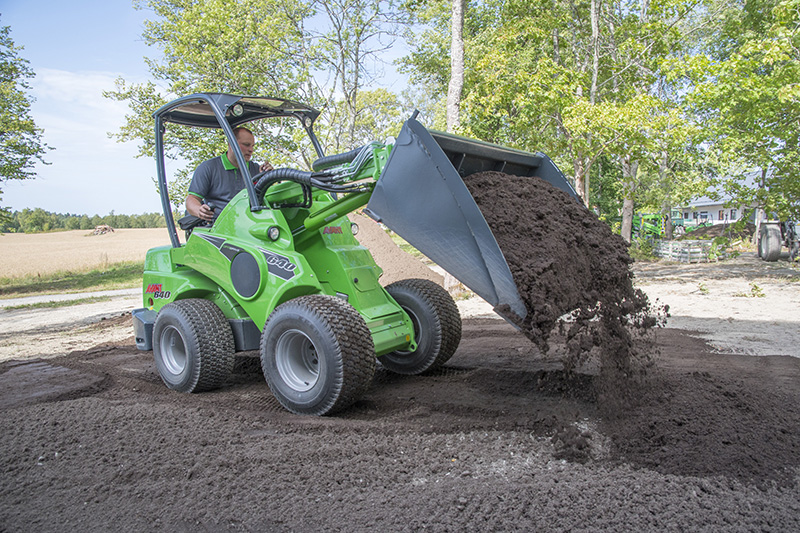
If you’re looking to upgrade your heavy equipment, McClung-Logan can help. We’ve been the leading heavy equipment dealer in the Mid-Atlantic region since 1939, and we’ve built our reputation by providing reliable, high-quality equipment and honest recommendations that are aligned with our customers’ specific needs. Our sales experts will work closely with you to understand the specific applications for your equipment, your budget and any other needs that may be driving your purchase process. This allows us to make customized recommendations that will provide you with the best return on your investment.
We offer an extensive line of new and used equipment for sale, ensuring we can address your needs. Our inventory includes the latest models of high-performance equipment from many of the leading brands, including:
- Volvo
- Takeuchi
- Mecalac
- Avant
- K-Tec
- Prinoth
- Gradall
- Shuttlewagon
- Dura-A-Lift
When you work with McClung-Logan, you’ll also benefit from a heavy equipment partner that supports your needs throughout the life of your equipment. Our service team can address all maintenance tasks and repairs that arise over time. We also carry an extensive inventory of parts on hand, allowing us to complete repairs as quickly as possible. Whenever possible, we’ll also provide you with loaner equipment to minimize your downtime while your machines are being serviced.
Contact one of our branch locations today to speak with a Territory Manager. McClung-Logan is a full-service heavy equipment dealer serving the Mid-Atlantic region.
Heavy Equipment Purchase FAQs 
How much does heavy construction equipment cost?
Heavy construction equipment costs vary widely based on the type of machine, its size and its condition. In general, used equipment costs less than new equipment of the same model, though the difference depends heavily on the machine’s age, hours and condition. Getting an accurate cost estimate requires pricing the specific make, model and condition of the machine you’re considering.
Is it better to buy or rent heavy equipment?
Whether buying or renting heavy equipment makes more sense depends on how often you’ll use the machine. Equipment your business runs consistently throughout the year is often more cost effective to own, since ownership provides your business with an asset and ensures you’ll always have the equipment at the exact moments you need it. Equipment needed only occasionally or for a single project is often more cost effective to rent, since the machine won’t generate enough revenue for your business to justify the purchase cost and added monthly operating expenses.
How long does heavy construction equipment last?
The lifespan of heavy construction equipment depends on its hours of use, how consistently it receives scheduled maintenance and the conditions it operates in. Equipment maintained on schedule and operated in moderate conditions typically lasts longer than equipment pushed past recommended service intervals or run in harsh environments. Planning a replacement timeline around these factors helps avoid both premature replacement and unexpected breakdowns.
What should you inspect before buying used heavy equipment?
Before buying used heavy equipment, inspect the hours of operation, maintenance records, wear on the tires or undercarriage, and the condition of the hydraulic system. These factors indicate how much useful life remains in the machine and whether the price reflects its actual condition.
When is the best time to buy heavy equipment?
Dealers are often more willing to negotiate on price near the end of a sales quarter or fiscal year, when they have sales targets to meet. Buying during these periods can create additional room to negotiate.