
Common Mistakes When Buying Construction Equipment
Buying construction equipment is one of the largest financial decisions your business makes, and the consequences of a poor purchase can negatively impact you for years. A machine that seemed like the right choice at the time of purchase can turn out to be the wrong fit for your fleet, more expensive to operate than anticipated or difficult to support when it needs service.
Most equipment buying mistakes occur when the purchase is evaluated through too narrow a lens. Understanding the most common pitfalls to avoid and the broad criteria that must be assessed during the buying process will help ensure you choose the right equipment to maximize your return on investment (ROI).
Buying for the Current Job Instead of Your Long-Term Needs
When a project creates an immediate equipment need, it’s natural to focus your search on the specs required to get that job done. The problem with that approach is that it optimizes for one project rather than for the asset you’ll be operating and maintaining for the next several years. A machine that’s well-matched to your current job may be undersized, oversized or poorly suited to the range of work your company typically takes on.
Before committing to a purchase, evaluate how the equipment will function across the different project types in your pipeline, not just the one in front of you:
- Consider the attachments the machine is compatible with and whether that compatibility expands its usefulness across different applications
- Think about how the machine fits alongside the equipment you already own and whether it fills a genuine gap in your fleet or creates redundancy
A machine that serves your operation well over a range of conditions and project types will deliver a stronger ROI than one purchased to solve an immediate problem.
Overlooking Total Cost of Ownership
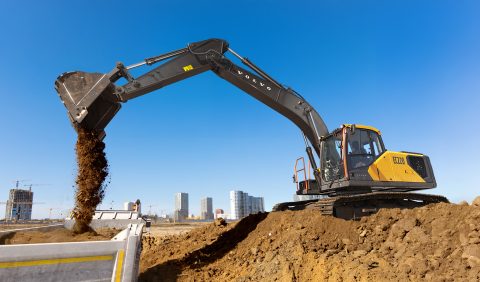 The purchase price tends to drive heavy equipment buying decisions more than it should. A more important figure to evaluate is total cost of ownership, which refers to the total amount you’ll spend over the lifetime of owning the equipment. Two machines with similar capabilities can have significantly different total costs of ownership, and often this figure may indicate that the equipment with the higher purchase price may actually deliver better value over the long run.
When evaluating a purchase, factor in the costs that extend beyond the initial transaction:
- Fuel consumption varies considerably between models and can add up to a substantial expense over thousands of operating hours
- Parts availability and pricing affect how much you’ll spend on routine maintenance and how quickly you can get a machine back online after a repair
- Service intervals and the complexity of required maintenance influence both your labor costs and the amount of downtime you can expect
- Resale value determines what you recover when it’s time to cycle the machine out of your fleet
Skipping the Inspection on Used Equipment
Buying used equipment can offer strong value, but the price advantage disappears quickly if you fail to perform a thorough inspection and take on a machine with significant mechanical issues as a result. Buyers who rely solely on a seller’s description of condition, or who skip the inspection to move faster on a deal, take on risk that often shows up as unexpected repair costs shortly after the purchase.
A thorough used equipment inspection should go beyond a visual walkaround. Have the machine evaluated by a qualified technician who can assess:
- Engine and drivetrain condition, including compression and any signs of internal wear
- Hydraulic system integrity, including hoses, cylinders and fluid condition
- Undercarriage wear on tracked machines, where replacement costs can be substantial
- Structural condition, including the frame, boom and attachment points
- Hours of operation relative to the maintenance history documented for the machine
Purchasing used equipment through a reputable heavy equipment dealer reduces this risk considerably. Established dealers inspect machines before putting them into inventory, stand behind what they sell and can provide documented service history where it’s available. Buying from a private seller or an unfamiliar source may result in a lower price, but it also forces you to take on the full burden of due diligence with less recourse if problems surface after the sale.
Not Evaluating the Construction Equipment Dealer Relationship
The equipment you’re buying gets most of the attention during the purchasing process, but the construction equipment dealer you buy it from will also play an important role in the value you get out of that machine over its lifespan. Buyers who treat the dealer selection as an afterthought and base this decision on price or proximity often find themselves without adequate support when they need it most.
Before committing to a purchase, evaluate the heavy equipment dealer on the factors that will be most impactful to your business after the transaction is complete:
- Parts availability and how quickly the dealer can source what you need, including whether they stock OEM parts for the equipment they sell
- Service capabilities, including whether they offer both in-shop and field service
- How quickly they can respond when a machine is down
- Warranty support and the dealer’s role in facilitating repairs covered under the manufacturer’s warranty
- Location of service branches relative to your job sites, which affects response times when you need support in the field
A heavy equipment dealer with strong parts inventory, experienced service technicians and multiple service locations is a genuine asset to your business. The relationship you build with the right dealer can also give you an advantage when you’re ready to make your next purchase, since they’ll understand your specific needs and applications. This makes it easier for your construction equipment dealer to provide guidance on which machines best fit your evolving needs.
Underestimating Lead Times and Equipment Availability
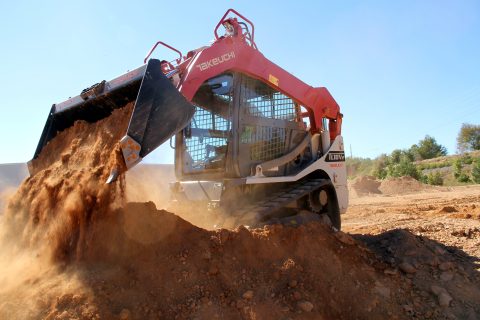 Equipment purchases that are driven by an immediate project need put you in a poor negotiating position and limit your options. Newer models, specialized machines and high-demand equipment categories can have lead times that stretch weeks or months. Waiting too long to begin looking for equipment for a specific project may force you to settle for whatever is currently available rather than the machine that best fits your needs.
Planning your equipment purchases further in advance gives you more control over the outcome. When you know a project is coming that will require additional or different equipment, start the conversation with your dealer early. This gives you time to evaluate your options without deadline pressure, arrange financing and secure the machine you actually want rather than the closest available alternative.
Building an ongoing relationship with a construction equipment dealer before you’re in a time-sensitive buying situation pays dividends here as well. Dealers who know your operation and your fleet are better positioned to give you advance notice on incoming inventory, flag machines that fit your needs and help you plan purchases around your project pipeline rather than reacting to it.
McClung-Logan Can Help
At McClung-Logan, we’ve been the leading construction equipment dealer in the Mid-Atlantic region since 1939, and we’ve built our reputation by providing honest recommendations that are aligned with our customers’ specific business needs. As your dedicated heavy equipment partner, we’ll ensure you don’t make the mistakes discussed above. Our sales experts will discuss your needs with you in detail in order to provide customized recommendations that help you choose the right equipment.
We offer a comprehensive line of new and used construction equipment for sale, ensuring we’re able to address the specific applications associated with your projects. Our inventory includes the latest models of heavy equipment from many of the leading brands, including:
- Volvo
- Takeuchi
- Mecalac
- Avant
- K-Tec
- Prinoth
- Gradall
- Shuttlewagon
- Dura-A-Lift
Our team works to build a long-lasting relationship with you that allows us to serve your needs throughout the life of your equipment. Our highly trained service team is always here to address all your repair and maintenance needs. We also carry an extensive inventory of parts on hand so that we can complete your repairs quickly to minimize downtime. Whenever possible, we’ll provide you with loaner equipment while your machines are in our shop so that your projects can continue on schedule.
Contact one of our branch locations today to speak with a Territory Manager. McClung-Logan is a full-service heavy equipment dealer serving the Mid-Atlantic region.
Frequently Asked Questions About Buying Construction Equipment
What should I look for when buying used construction equipment?
When buying used construction equipment, prioritize a thorough inspection by a qualified technician over the seller’s description of condition. Key areas to evaluate include engine and drivetrain health, hydraulic system integrity, undercarriage wear on tracked machines and documented maintenance history. Purchasing through a reputable heavy equipment dealer reduces risk because established dealers inspect machines before sale and can provide service records where available.
How do I choose the right construction equipment dealer?
Choose a construction equipment dealer based on the support they can provide after the transaction, not just the price they offer at the time of purchase. Evaluate their parts inventory, service capabilities, warranty support and the location of their service branches relative to your job sites. A dealer with experienced technicians, OEM parts availability and multiple service locations will have a direct impact on your equipment’s uptime and long-term reliability.
What is total cost of ownership for heavy equipment?
Total cost of ownership refers to the complete cost of owning and operating a piece of equipment over its useful life, beyond the initial purchase price. It includes fuel consumption, routine maintenance costs, parts availability and pricing, repair frequency and resale value. Evaluating total cost of ownership before purchasing allows you to make a more accurate comparison between machines and avoid buying equipment that costs more to operate over time than a higher-priced alternative would have.
When is it better to buy vs. rent construction equipment?
Buying makes more sense when you have consistent, long-term demand for a specific type of equipment across multiple projects. Renting is a better option when you need a machine for a single project, require a specialized piece of equipment you won’t use regularly or want to avoid the financial expense and maintenance responsibility that comes with ownership. Many construction companies use a combination of owned and rented equipment to ensure the size of their fleet aligns with the needs of their current workload.
What questions should I ask a heavy equipment dealer before buying?
Before committing to a purchase, ask the dealer about parts availability for the specific machine, typical lead times for service appointments and how warranty repairs are handled. Find out whether they offer field service in addition to in-shop repairs and how quickly they can respond when a machine is down. If you’re buying used equipment, ask for the machine’s service history and whether it has been inspected by their technicians prior to sale.